Hugging Face builds ToyBlocks to standardise robot learning tests
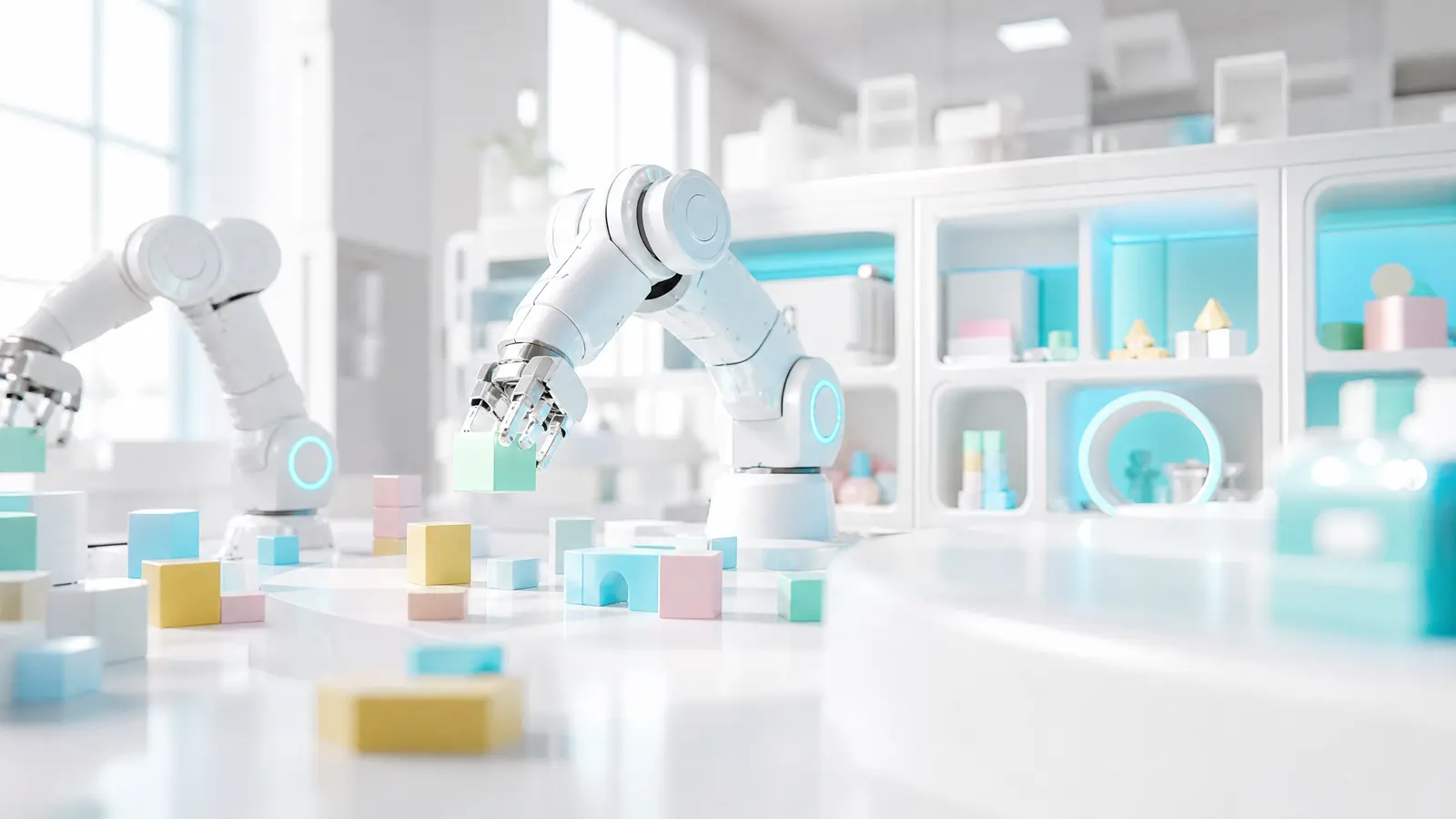
Hugging Face has released ToyBlocks, a new simulated environment for testing and training robots. The company says ToyBlocks is designed to give researchers and developers a shared, controlled world to measure how well robots learn and work.

Why it matters
Robotics companies often struggle to compare results because every lab runs different tests in different setups. According to Hugging Face, ToyBlocks aims to fix this by offering a single, open platform where anyone can evaluate robotic learning in a repeatable way. This matters for any business looking at bringing robots into real-world tasks, because it promises more reliable data about what a robot can actually do.
Standardisation is also about trust. If every robotics vendor trains and tests with their own private methods, buyers have little to compare. ToyBlocks could make it easier to judge performance claims side by side. This is a push for transparency, and it could help buyers avoid inflated marketing or unproven promises.

ToyBlocks: what it is and how it works
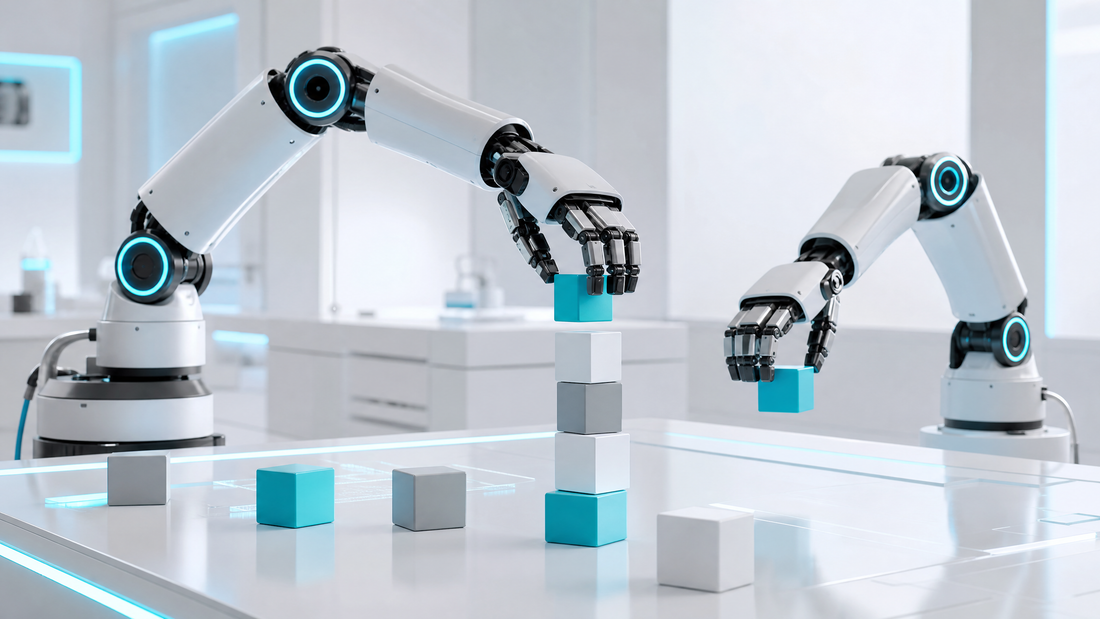
ToyBlocks is a virtual playground made up of digital blocks that robots can manipulate. The environment is fully controlled, which means every test can be repeated exactly. Hugging Face describes it as a "controlled world" for both learning and evaluation. Developers can train their robots to stack, sort, and move blocks, and then measure how well their systems perform against standard tasks.
This approach is different from testing robots in the real world, where small changes in lighting, hardware, or even the table surface can affect results. In ToyBlocks, those variables are fixed. That makes it possible to compare two robots or learning algorithms directly, without the noise of real-world differences. Hugging Face says the platform is open and intended for both academic and commercial teams. They are pitching it as a tool to lower the barrier for entry into robotics research, since anyone can access the environment without needing expensive hardware setups.
For companies that have followed moves by firms like Physicl, which adapts digital marketing tech to train robots (see our report), ToyBlocks offers a different kind of standard, one focused on evaluation rather than just training methods.


What this means if you run a business
If you are considering automation or robotics, ToyBlocks could eventually make vendor selection less of a gamble. With a shared testbed, you can compare claims on a more level field. This does not replace real-world pilots, but it could help you sort the marketing from the measurable. Expect to see more vendors quoting ToyBlocks performance if the platform gains traction.
For firms with in-house R&D, ToyBlocks lowers the cost of early experiments. There is no need to buy hardware just to see if a new algorithm is worth pursuing. This could help smaller teams move faster, or let you run more of your evaluation in software before committing to hardware trials.
Standard environments like ToyBlocks also signal a maturing robotics market. As with software benchmarks, shared tests drive accountability. They make it harder for vendors to hide behind custom demos or hand-picked results. If you want a sense of how this kind of standardisation can affect costs and competition in related fields, our coverage of data centre cost pressures in AI is here.
Keep up
Get the next one before everyone else is talking about it.