Physicl adapts digital marketing tech to train robots for real work
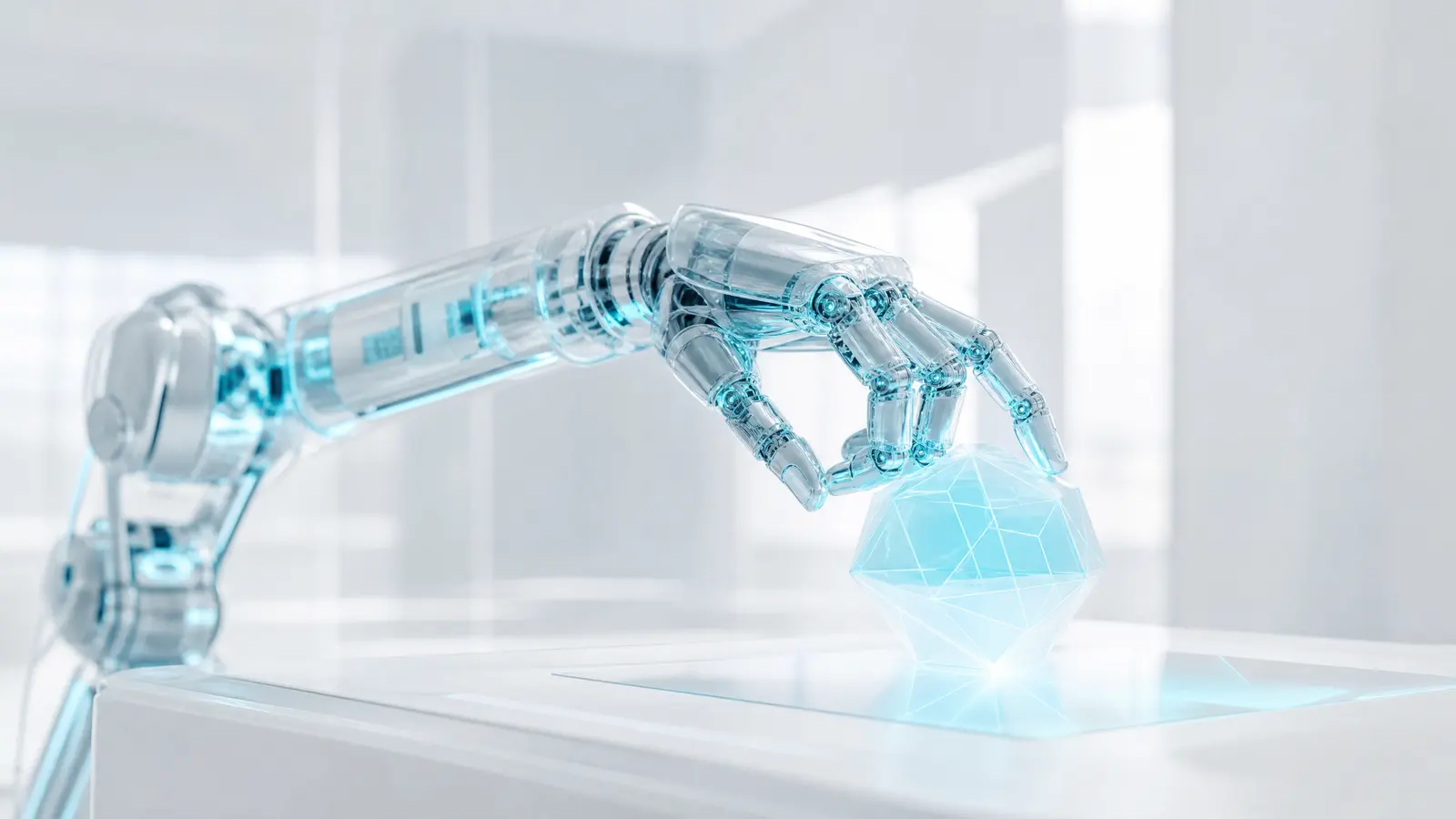
Physicl has raised funding to repurpose its digital marketing pipeline for robotics, aiming to help robots trained in simulations perform reliably in the real world, according to TechCrunch.
Robots often fail in real-world settings after being trained in virtual ones.
Why it matters
Robotics companies have struggled with the ‘sim-to-real’ gap, robots trained in digital environments often make mistakes or freeze when faced with real objects. Physicl says its technology, originally used to create digital twins for online product marketing, could let robots interact with objects as they actually appear and behave in the physical world. According to TechCrunch, this could cut development time and reduce costly field testing.
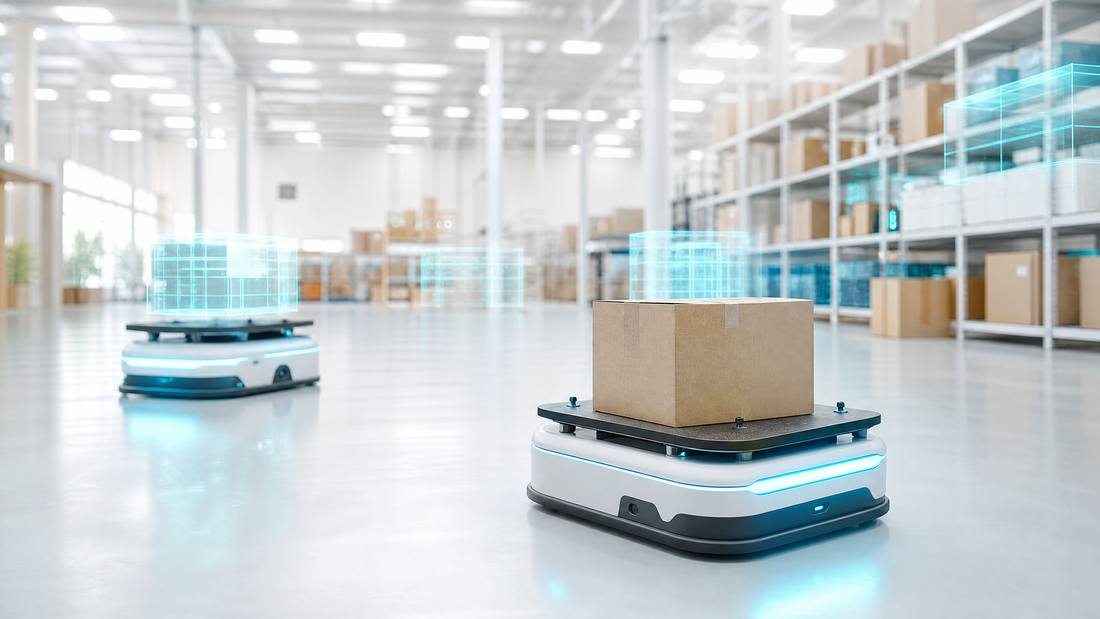
For companies deploying robots in warehouses, manufacturing or logistics, the difference between a robot that works in simulation and one that works on the floor is expensive. Training robots in the real world is slow and resource-intensive. If Physicl’s approach works, it could mean faster rollouts and fewer failures in live environments.
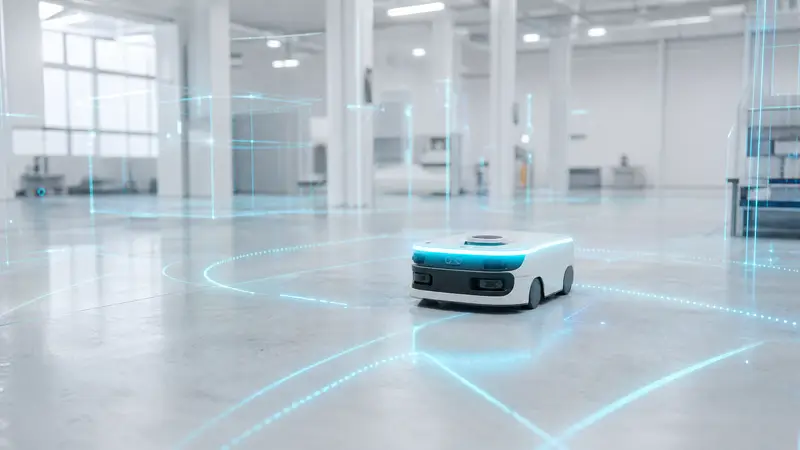
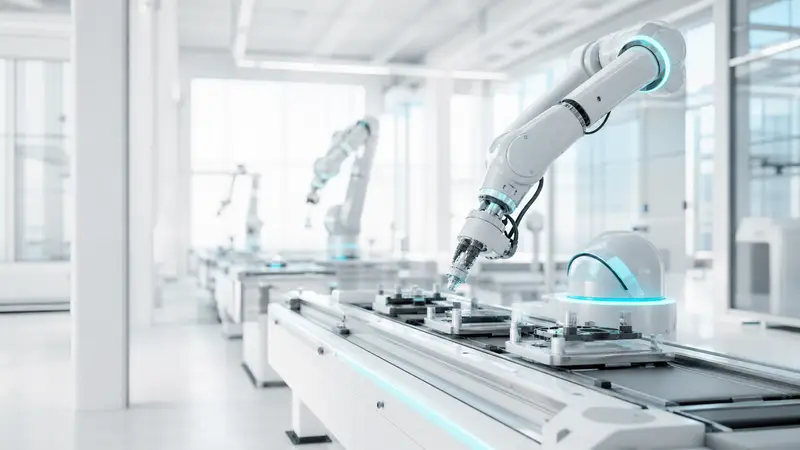
Warehouses and factories test robots in controlled digital simulations before real-world deployment.
Physicl’s pipeline moves from e-commerce to robotics
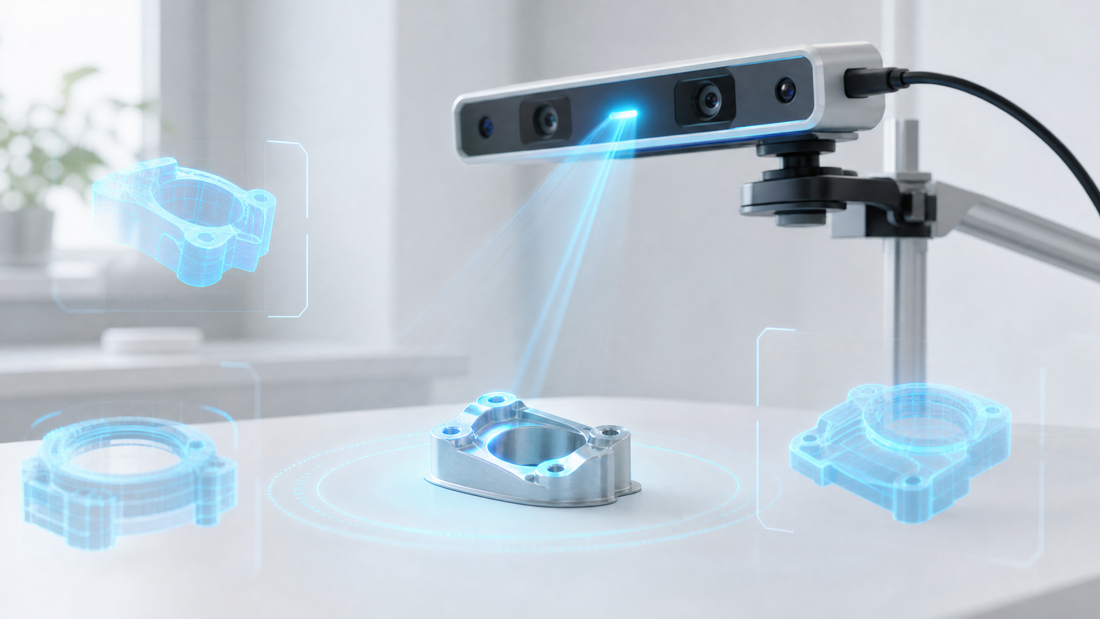
Physicl’s pipeline was first built for e-commerce companies to create digital models of products for online shoppers. According to TechCrunch, these models are detailed enough to show how an object looks from any angle, reacts to light, and even moves. The company is now repurposing this technology so robots can train on digital twins that closely match the quirks and imperfections of real-world items.
TechCrunch reports that Physicl’s process involves scanning and modeling real items, then feeding that data into simulation engines used in robotics. The goal is to reduce the gap between how robots ‘see’ the world in training and what they encounter on the job. If the pipeline delivers, it would allow for more accurate training data and fewer surprises when robots are deployed in live settings.
What this means if you run a business
If you run a business that uses or is considering robots, the sim-to-real gap is a practical headache. A robot that picks up boxes perfectly in a simulation may drop them in a real warehouse, costing time and money. Physicl’s approach, if it delivers, could mean less downtime and fewer expensive mistakes when rolling out new automation.
This could also lower the barrier for businesses that want to automate but have held off because of reliability concerns. Any operation that needs robots to handle unpredictable real-world items could benefit. Companies might see shorter pilot phases, less reliance on on-site technical teams, and a faster path to scaling up automation. As more robotics firms try to close the sim-to-real gap, expect the competition to focus on who can get from digital testing to physical results with the least pain.
For a look at how other automation efforts are moving from labs to the market, see our coverage of Agility’s public listing.
Keep up
Get the next one before everyone else is talking about it.