Hugging Face shows robots can train in simulation, work in real life
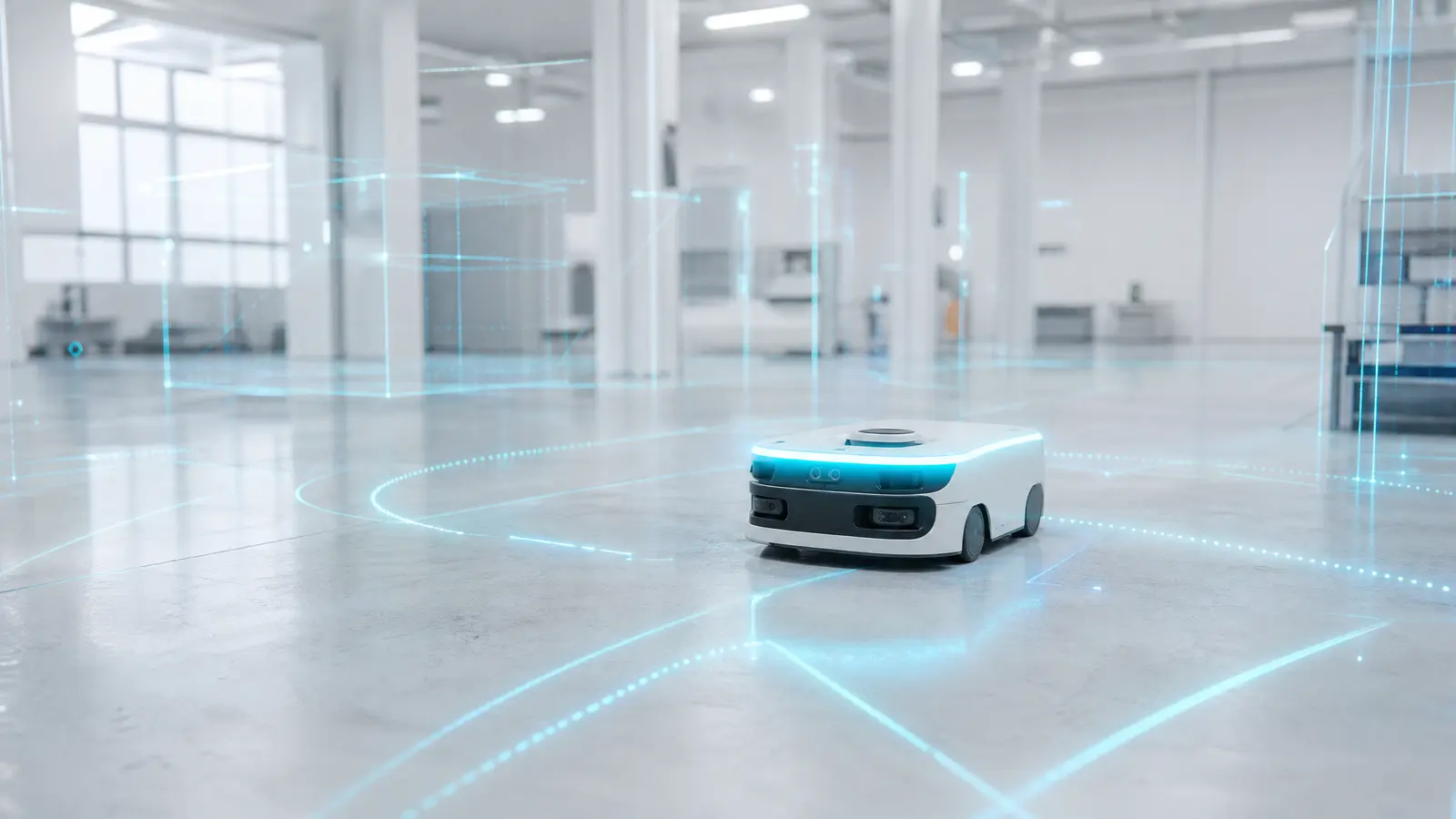
Hugging Face published a case study showing that robots trained in Nvidia’s Isaac Lab 3.0 simulator can now perform physical tasks in the real world. The article, released on October 21, details how a robot called Microduck was first trained in simulation and then successfully deployed outside the lab.
Why it matters
Training robots in physical environments is expensive and slow. It takes time to set up, can risk damaging costly equipment, and requires expert oversight. By using Isaac Lab 3.0, teams can now train robots in a virtual environment, then move them to real-world settings with less risk and lower cost. According to Hugging Face, Microduck learned to perform its task in simulation and then executed the same task on a real robot with minimal extra adjustment.
This “sim-to-real” approach has been a goal for robotics companies for years. Nvidia claims Isaac Lab 3.0 provides a realistic enough environment for the skills to transfer. The Hugging Face case study is one of the first public demonstrations that this is now possible, not just in theory but in practice.
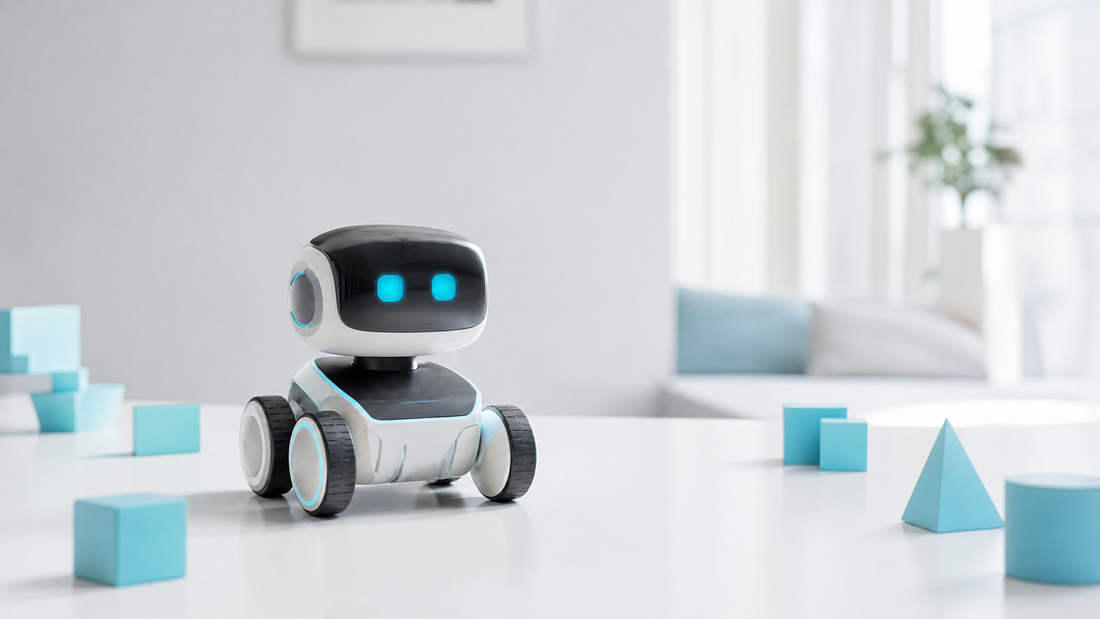
How the Microduck robot crossed from simulation to reality
The project centered on Microduck, a small robot platform. According to Hugging Face, researchers used Isaac Lab 3.0 to create a digital twin of the robot and its environment. The robot was trained to perform a navigation task entirely in this simulated space. Once the robot’s control system had mastered the task, the same software was loaded onto the physical robot. The real Microduck repeated the task in the real world, showing only minor performance differences from its virtual training.
Nvidia says Isaac Lab 3.0 includes high-fidelity physics and sensor simulation, which apparently made it possible for the robot to “generalize” its learned behaviors. The Hugging Face article argues this is a shift from past attempts, where even small differences between simulation and reality would cause the robot to fail outside the lab. The demonstration suggests those gaps can now be made small enough for practical use. For more on Hugging Face’s work in robotics, read our coverage of their 3D asset library.
What this means if you run a business
If your company is considering robotics, the biggest hurdles have always been time, cost, and technical risk. Training in simulation with Isaac Lab 3.0 means you can develop, test, and iterate robot software without tying up production lines or risking hardware. Once the robot works in the virtual environment, you can roll it out faster on the shop floor or in the warehouse.
This changes the cost equation. You can build out proofs-of-concept before buying hardware. You can run hundreds of training cycles overnight, not over weeks. According to Hugging Face, the sim-to-real transition now requires less manual tuning, so smaller teams can handle the process. Nvidia is betting that this will make robots viable for more companies, not just those with large research budgets.
For business owners, this is a practical step toward robotics being a software-first investment. The time from prototype to deployment shrinks. The risk of expensive mistakes drops. If you want to know how this fits into the larger AI infrastructure push, see our report on Nvidia’s recent AI hardware promises.
Keep up
Get the next one before everyone else is talking about it.