Amazon put a million robots in warehouses before hiring more
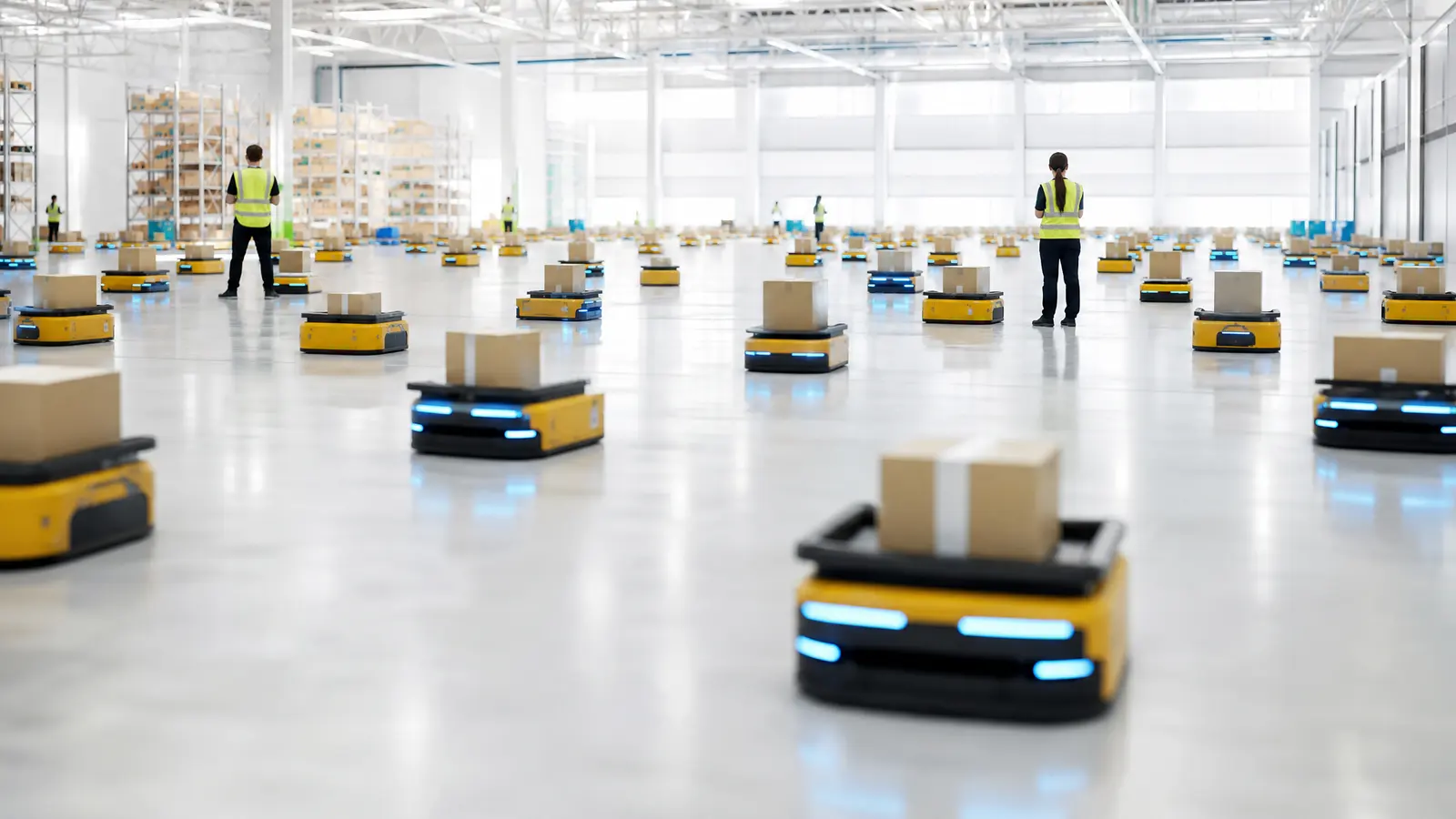
Amazon has passed the milestone of 1 million robot workers, according to Ars Technica on October 12. The company, already the second-largest corporate employer, has put robotics at the center of its logistics and fulfillment strategy.
Why it matters
Amazon’s use of over 1 million robots puts automation at a scale few companies can match. This is not a limited trial or a small experiment. It is now a key part of daily operations. For other logistics firms and large employers, Amazon’s choices set expectations for what is possible in speed, efficiency, and labor costs.
With this level of automation, Amazon can process, sort, and ship goods faster and with fewer errors. The company’s investments in robotics have allowed it to handle demand spikes and seasonal surges without expanding its human workforce at the same pace. This shift is likely to influence what customers, partners, and even regulators expect from the rest of the industry.
How robots work inside Amazon warehouses
According to Ars Technica, Amazon’s robots now perform a wide range of warehouse tasks. They move shelves, carry products across large floors, and sort packages for delivery. Robots are integrated alongside human workers. The company says this approach reduces injuries tied to repetitive motion and heavy lifting. It also changes the types of jobs available, moving some roles from manual labor to technical support and system management.
Amazon’s push into robotics began with acquisitions and internal development. Over time, the company has expanded automation to more sites and more jobs. The company says it offers retraining for employees affected by these changes, with new job categories focused on robot maintenance and oversight. Labor experts, however, continue to debate the long-term impact on employment numbers and job quality.
Amazon’s scale means its decisions have a ripple effect. Other logistics and retail companies study its approach, and policy makers watch for clues about the future of work. The warehouse is now a test case for how automation and human labor are blended in practice.
What this means if you run a business
For business owners and operators in logistics or fulfillment, Amazon’s use of over 1 million robots is a clear signal that automation is now standard practice at the largest scale. The competitive baseline for speed, accuracy, and cost control is moving. Customers may expect faster delivery and fewer mistakes as a result.
This does not mean every company needs to match Amazon’s robot count. The important factor is how automation is integrated into daily workflows. Amazon’s model includes retraining staff, shifting job roles, and redesigning processes to fit new technology. Companies considering robotics should focus on where automation brings the most value, not just on the number of machines deployed.
There are new demands for technical talent. Roles in robot maintenance, system management, and AI support are growing. For those selling warehouse automation tools or AI-powered logistics software, Amazon’s adoption is now a reference point in sales and partnership conversations. Vendors in this space may see more interest from mid-size operators who now view automation as a proven strategy.
Labor relations and public perception are also part of the equation. Companies introducing automation at scale should prepare for questions about job displacement, safety, and retraining. Amazon’s move to over 1 million robots is one example of how large-scale automation can shift both operations and expectations. Other sectors, such as cloud computing, have seen similar shifts as companies like Microsoft introduce their own AI chips (covered here).
For business operators, Amazon’s milestone is a reason to move automation from the pilot stage to long-term planning. The market is now watching how companies adapt, not whether they will.
Keep up
Get the next one before everyone else is talking about it.