AI stock selloff signals data center costs are now the main risk
AI stocks fell sharply after the US midterms, as investors shifted their focus to the risks of high data center spending and possible new regulations. The selloff followed concerns about rising costs, slower returns, and the impact of the election on the industry's growth.
Data center expansion has become the biggest cost pressure for AI companies.
Why it matters
The election result hit an AI sector that was already under strain. According to CNBC, high interest rates and heavy capital spending were making investors nervous before the vote. The BBC reports that fears of more regulation also spooked the market, especially after the Democrat victory raised the prospect of tighter oversight and possibly slower AI development. CNN Tech describes this as a 'war of attrition' over data center buildouts, with companies forced to keep investing just to stay competitive.
For years, AI stocks have been priced on rapid growth and the expectation that big bets on infrastructure would pay off. Now, with spending rising and concerns about regulatory intervention growing, those assumptions are being questioned. As the BBC notes, investors had already started selling off tech shares before the midterms, and the election result accelerated the trend.
Rising hardware and energy costs are forcing companies to re-examine AI project budgets.
Data center costs are driving the fear
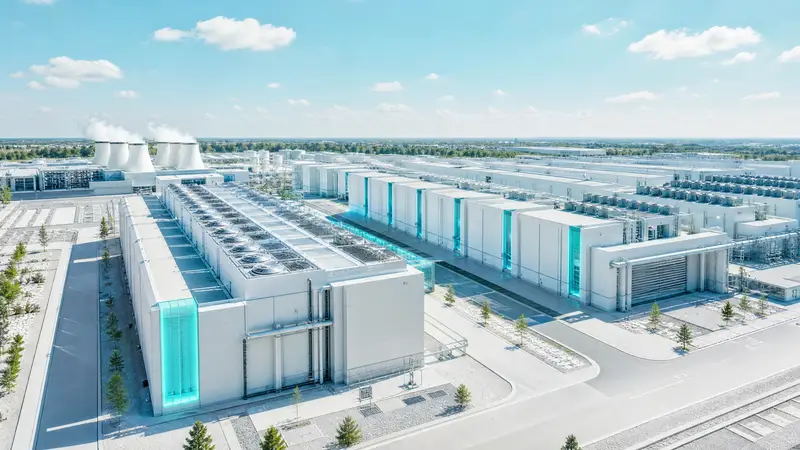
Building and running data centers is now the single biggest cost for AI companies. According to CNBC, the AI trade is under pressure because capital spending keeps rising while returns are uncertain. This is a shift from last year, when most of the anxiety was about regulation or competition. Now, the buildout itself is the main financial risk.
CNN Tech says the industry is locked in a struggle to fund ever-larger facilities, with companies racing to secure hardware and power. The BBC points out that investors are starting to doubt whether this spending can be justified if growth slows or new regulations make AI development harder. Companies are being forced to make tough choices about where to put their money and how to explain those decisions to shareholders.
This pressure is also changing how AI firms talk about their business. Instead of promising endless expansion, many are now focusing on efficiency and cost control. For more on how companies are responding to these pressures, see our report on Google DeepMind's claims about cutting AI costs.
What this means if you run a business
If your company relies on AI, either as a product or as part of your operations, you should expect costs to become less predictable. The big players in AI are spending heavily on data centers, and those costs are likely to trickle down to customers. That means higher prices for cloud AI services and longer waits for new features or capacity.
Procurement and budgeting for AI will get tougher. Vendors may start passing on their cost pressures, or become more selective about which customers get access to the latest models. Companies that are used to cheap, abundant AI compute may need to plan for usage caps, slower rollouts, or stricter service terms. It also becomes more important to measure the actual value generated by AI projects, rather than assuming that more spending will always produce bigger returns.
Regulatory risk is now a daily reality. The midterm result highlighted that policy can move quickly, and companies need to monitor for new rules that could affect how AI can be deployed or sold. This is a good moment to review contracts, compliance processes, and which partners you depend on. For background on recent policy shifts, see our coverage of OpenAI dropping NDAs for data centers.
The main lesson for business operators is that AI is no longer a pure growth story. Costs, regulation, and investor sentiment are now just as important as technical progress. Making AI work for your business means understanding those pressures, not just the technology itself.
Sources
- CNBC Tech: AI stocks hammered by midterm shock as data center buildout becomes a 'war of attrition'
- BBC Technology: Why the US midterms sparked an AI stock selloff
- BBC Technology: AI stocks climb after trillions wiped from market values
- CNN Tech: Midterms fuel data center drama and send AI stocks plunging - CNN
Keep up
Get the next one before everyone else is talking about it.