Voters block new data centers, squeezing AI infrastructure in 2026
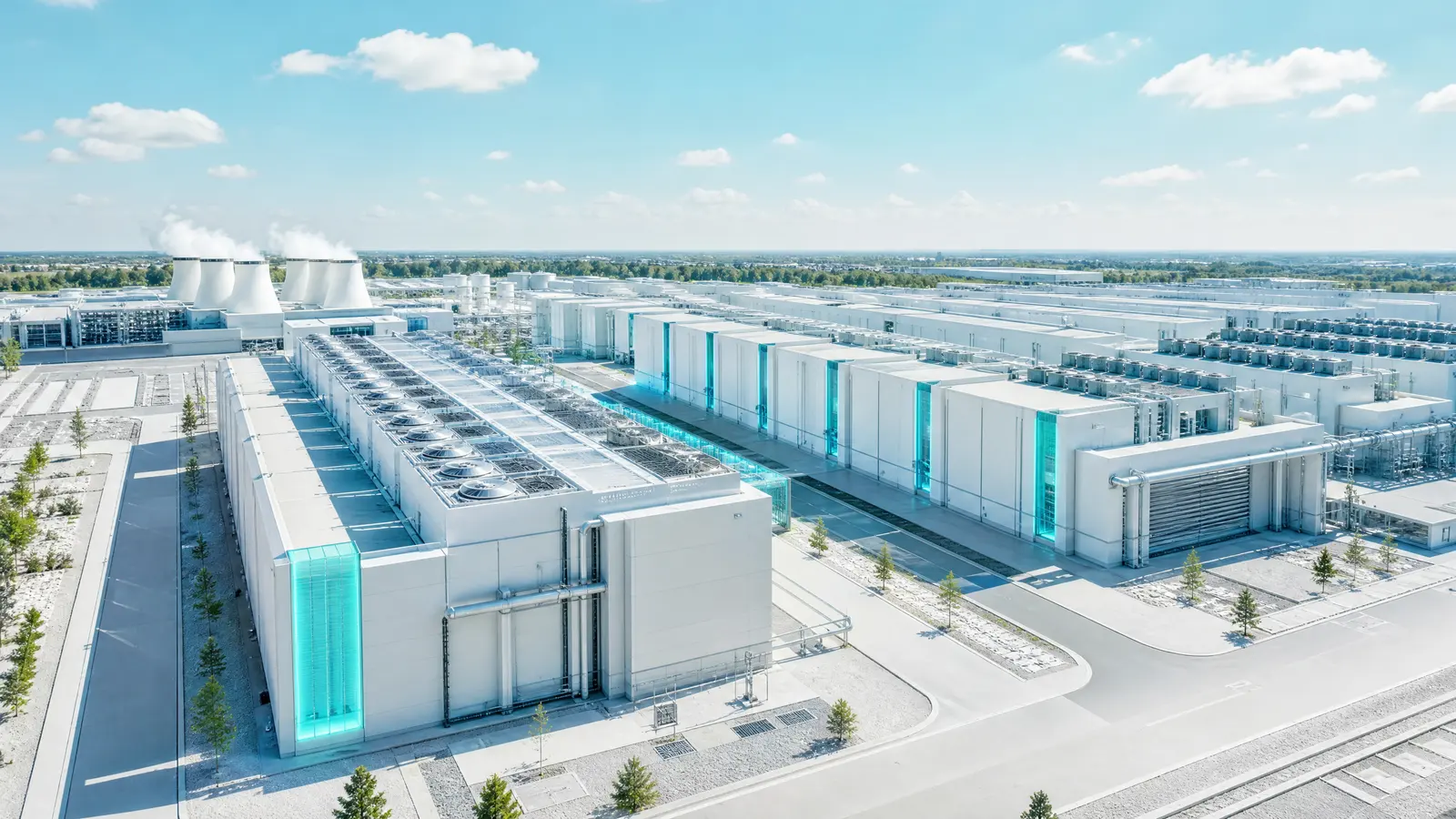
Voters across the United States rejected almost every ballot measure that would have allowed new data centers to be built, according to CNBC and Wired. Candidates who supported restrictions or moratoriums on data center growth won in key races. The Verge reports this is a setback for one of the main industries behind AI.

Data centers in the U.S. face new political roadblocks after the 2026 midterms.
Why it matters
Data centers are essential for running and scaling AI. Companies depend on them to train large models and deliver AI features through the cloud. The Verge says developers now face a more restrictive environment, as local and state governments respond to what voters want.
According to NBC News polling cited by The Verge, 76 percent of voters said they supported measures to slow or limit data center construction. Wired reports that opposition showed up in both high-profile Senate races and local rezoning initiatives. For the AI industry, this means less room to expand infrastructure in the places where demand is highest.

Server capacity could become a bottleneck for AI projects if new builds slow down.
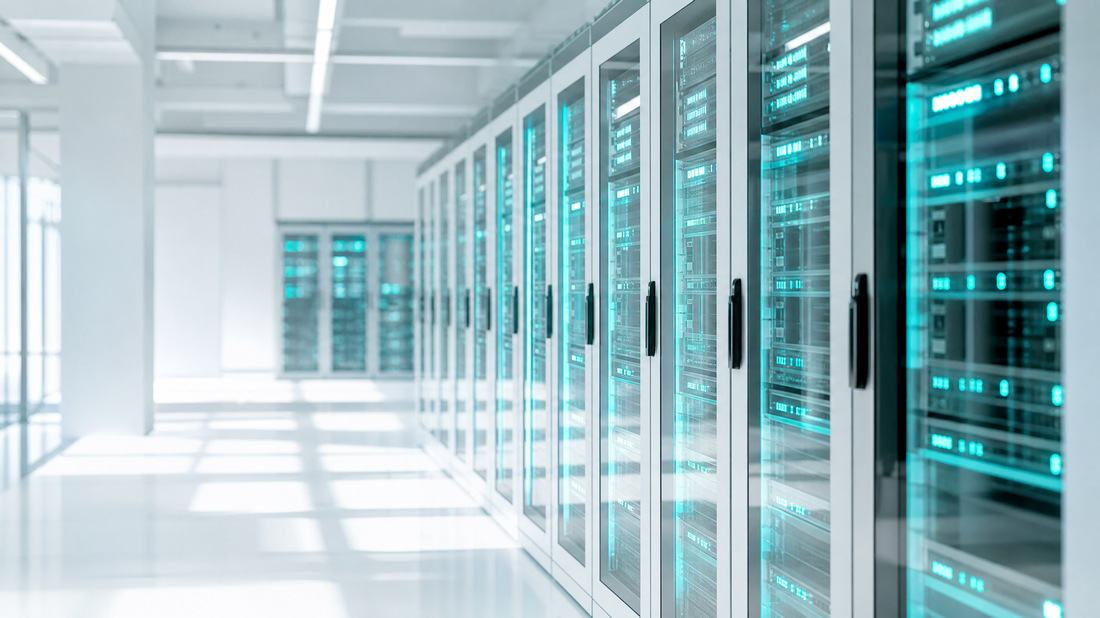
Developers face new legal and practical barriers
Developers and operators will now have to deal with new rules, moratoriums, and possibly more expensive permitting processes. CNBC reports that voters in the states with the most data center growth almost universally rejected expansion efforts. Only one ballot measure in the country supporting data center development passed.
Data center companies and the cloud providers that rely on them will need to rethink where and how they build. Projects already in progress could stall or become more costly. Companies that depend on quick access to scalable AI compute may find themselves waiting for capacity that does not arrive on schedule.
Some AI and cloud infrastructure operators are considering building in less regulated states or looking at international sites. Moving operations out-of-state or overseas brings its own risks and costs, including compliance and latency.

Shifting data center locations could raise compliance and latency issues for businesses.

What this means if you run a business
If your company relies on cloud AI services or hosts its own models in the U.S., expect supply to get tighter. Delays in data center builds can mean higher prices, longer lead times for compute, or tougher competition for existing capacity. For businesses that depend on real-time AI processing or plan to scale up, this could become a risk factor that did not exist a year ago.
Vendors may begin to prioritize their largest or most profitable customers for available resources. Smaller companies could see slower onboarding or face minimum spend requirements for cloud AI offerings that used to be pay-as-you-go. It is worth reviewing your contracts and asking your providers if they anticipate any changes to service levels or pricing as a result of the new political environment.
Some companies may also revisit on-premises solutions or look for AI providers with more diverse infrastructure footprints. If you need to control AI agents directly, tools like those in our article on CrowdStrike's manual AI kill switch may be relevant. For now, the main thing to watch is whether cloud providers start rationing compute or shifting costs onto customers as new data center builds slow down.
Sources
Keep up
Get the next one before everyone else is talking about it.