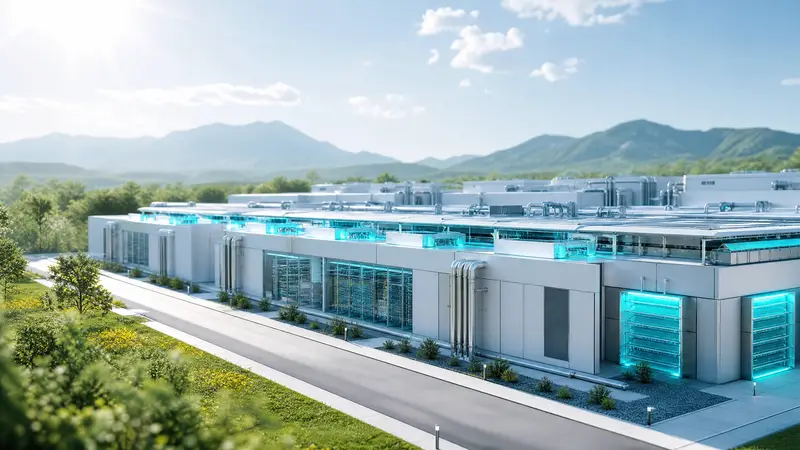
Maine’s Senate race puts AI data centers under political fire
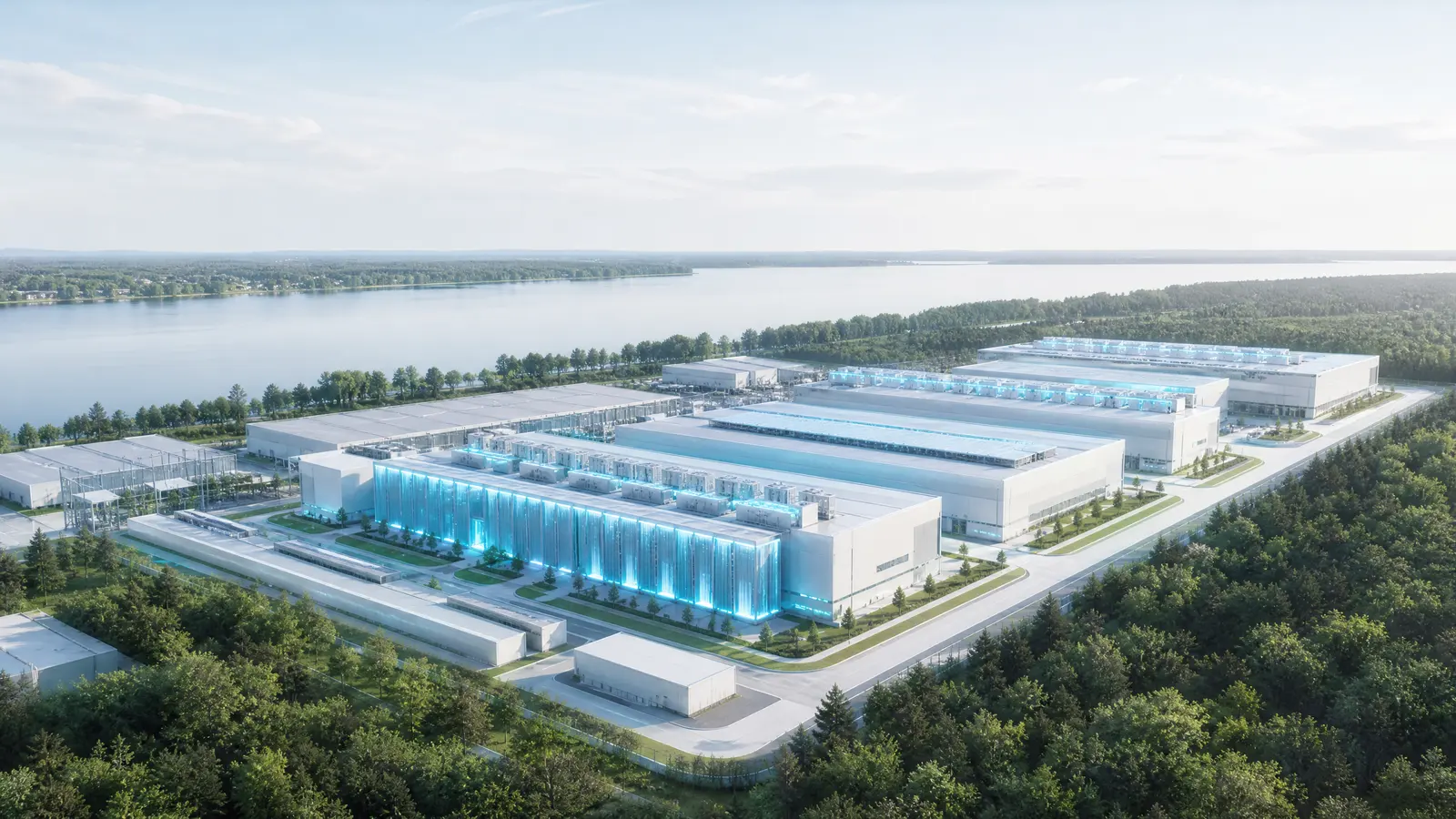
AI data centers have become the focus of Maine’s Senate race after a public interruption at the final debate. A local man accused Republican Sen. Susan Collins of allowing AI data centers to harm the climate and water supply. Collins dismissed the claim, but the issue has moved to the center of the campaign.

AI data centers have grown rapidly in states with cheap land and power, including Maine.
Why it matters
The argument in Maine is now about more than technology or jobs. According to The Verge, residents are worried that AI data centers are “destroying our climate” and “poisoning our water.” These concerns have shifted from technical circles to mainstream politics, especially where data centers compete for local resources.
For companies, this means AI infrastructure is now a visible political issue. Local opposition can affect regulations, permitting, and even election results. The Maine Senate race has become a test of how much influence communities will have over AI development in their region.

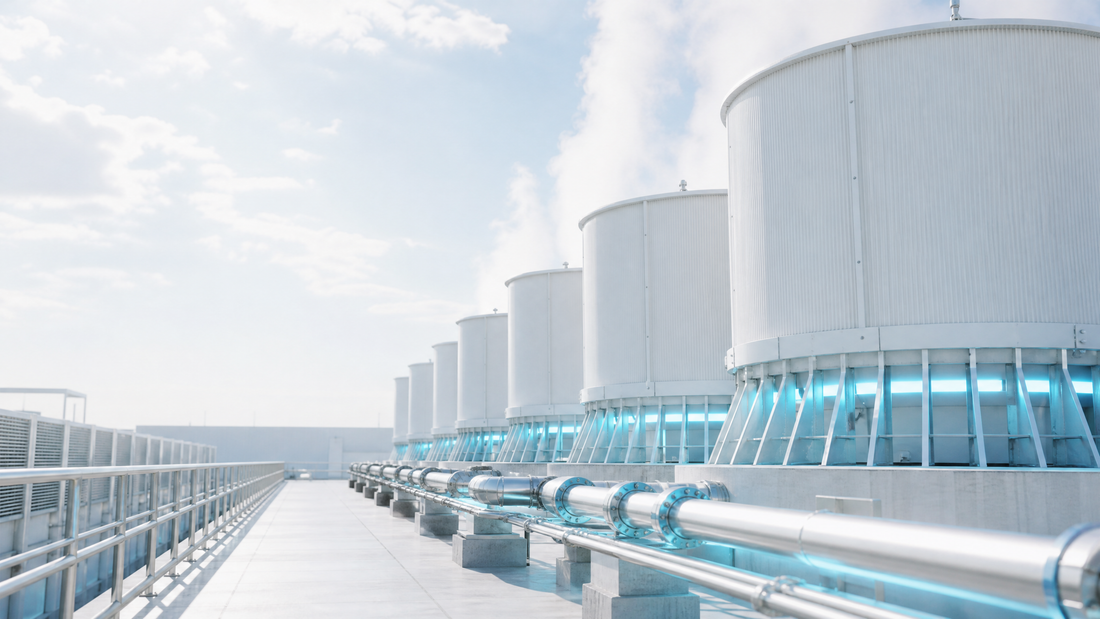
Water use for cooling is one of the main concerns raised by residents near AI data centers.
AI data centers face backlash over water and energy use
The debate over AI data centers in Maine centers on environmental impact, not just jobs or tax revenue. The Verge reports that the strongest objections come from residents concerned about water use and energy demand. Maine’s climate and lower costs have attracted tech firms, but the environmental effects are now under scrutiny.
Sen. Susan Collins tried to link the protester at the debate to her Democratic challenger, but the exchange has forced both campaigns to address the issue. The controversy stands out because data centers have usually operated without much public attention. That is changing as AI models require more power and cooling than older internet infrastructure.
National political groups are watching the Maine race. As data centers become a symbol for the costs of AI, other states with similar projects could see the same resistance. The outcome could affect local permitting and how companies explain their projects to the public. For more on how AI infrastructure costs are affecting tech giants, see our report on Google and Microsoft slowing AI build-out.
What this means if you run a business
If you operate or plan to build AI infrastructure, Maine’s Senate race is a warning. Public opinion can shift quickly, especially when water and energy are involved. Data centers are now a political issue, with climate and water use as rallying points for local communities.
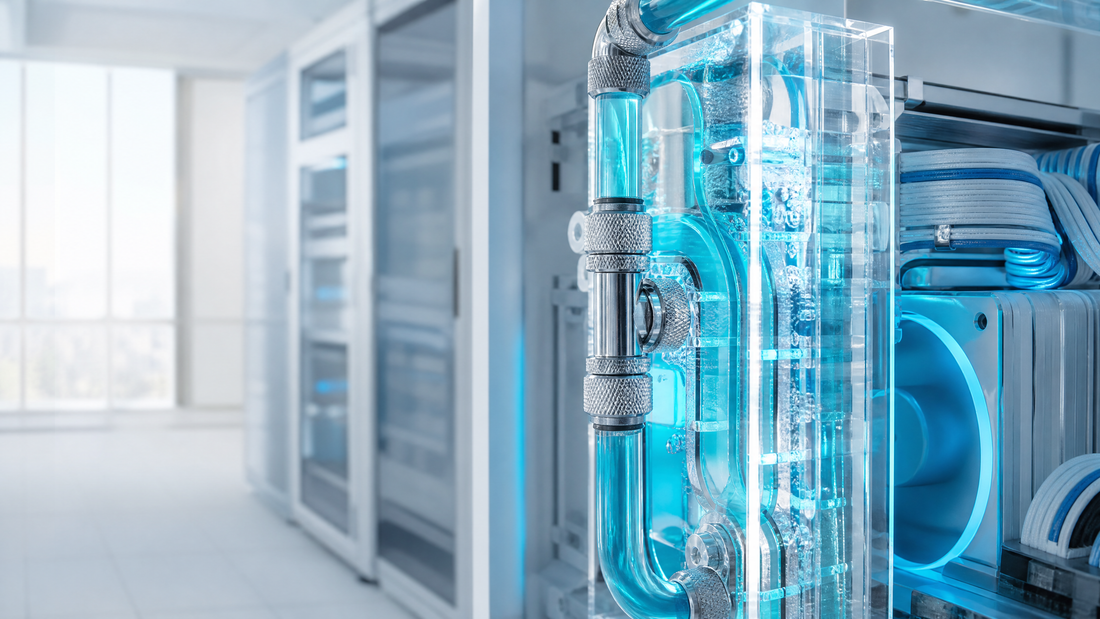
Expect more scrutiny of your site selection, cooling technology, and environmental reporting. Permitting could slow down if residents organize against your projects. You may need to invest in more transparent communications or change how you use water and power. Politicians may take sides, especially in close races, making regulatory timelines and costs harder to predict.
For any business relying on AI infrastructure, local sentiment is now a key factor. Ignoring it can mean delays, protests, or legal challenges. The Maine Senate fight shows that AI data centers are now part of the political conversation, and this is likely to spread to other regions.
Keep up
Get the next one before everyone else is talking about it.