Texas election flips, stalling big tech’s AI data center expansion
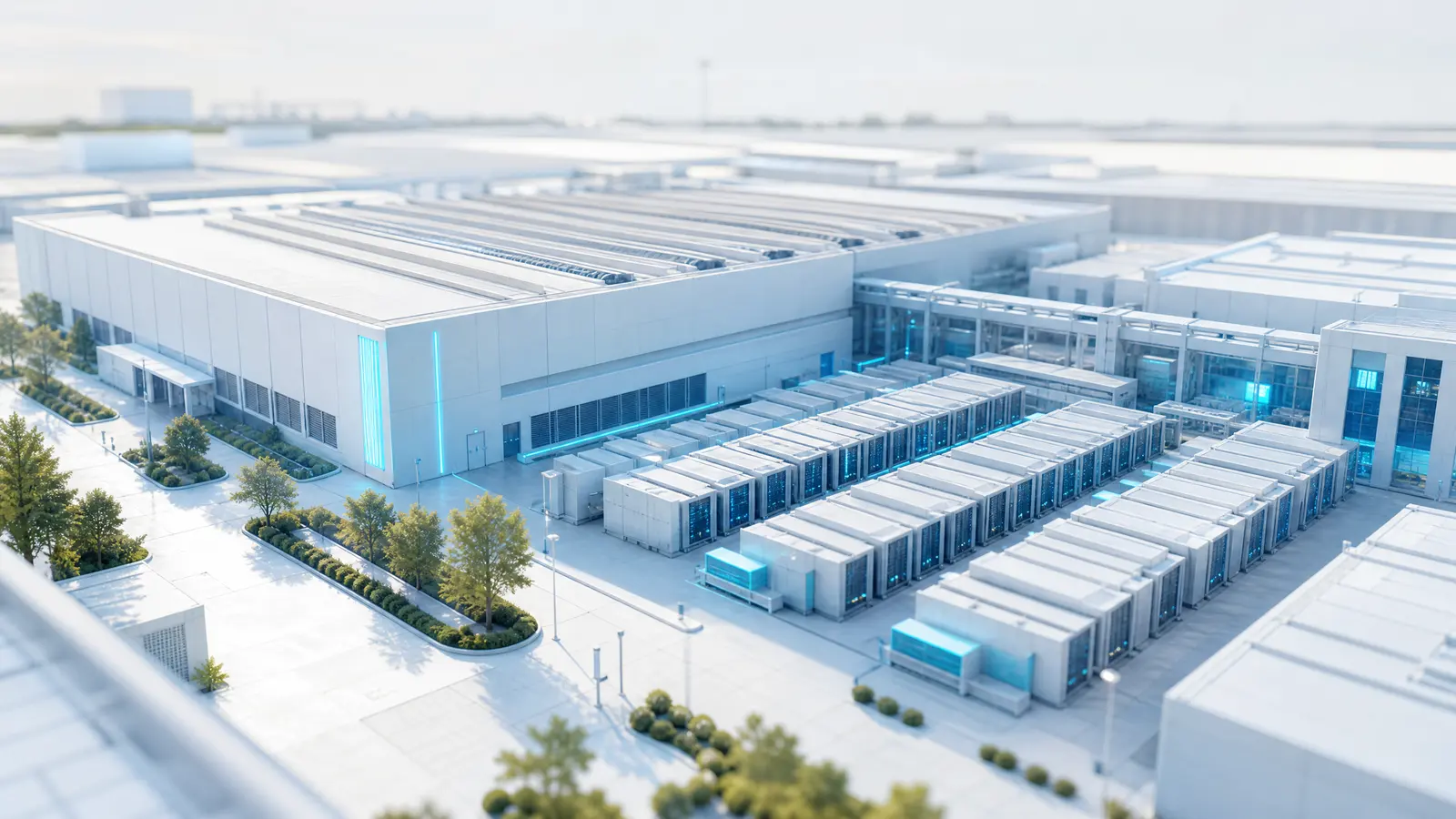
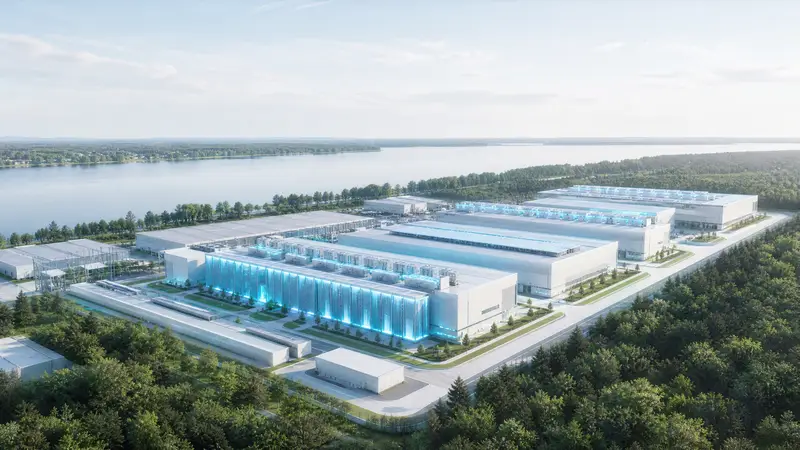
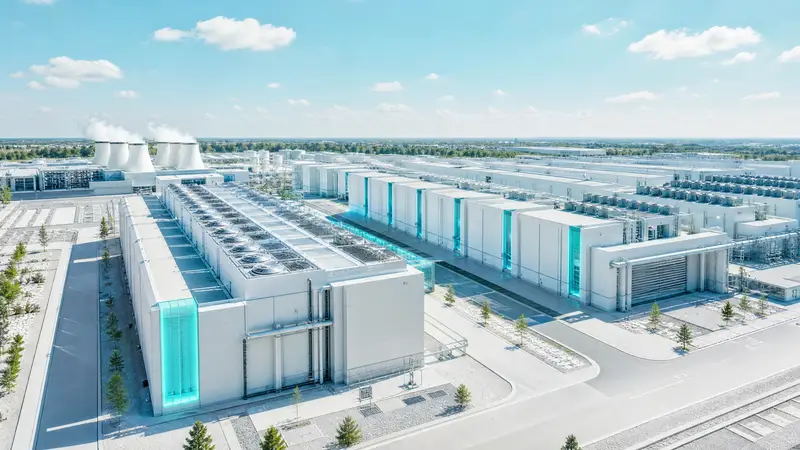
Texas has been the fastest-growing market for AI data centers in the United States, with tech giants pouring money and resources into new facilities. That expansion is now in question. According to MIT Technology Review, a Democratic sweep in the latest Texas elections may put the state’s position as the epicenter of AI data center buildouts at risk.
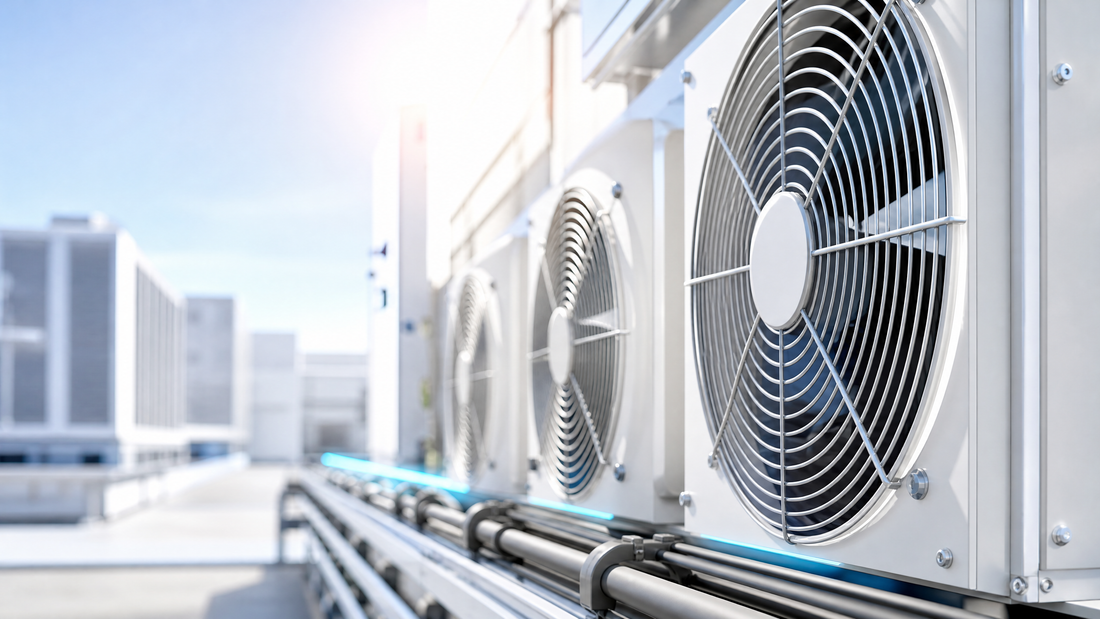
Texas has attracted massive AI data center projects due to its energy capacity and business-friendly policies.
Why it matters
Until now, Texas has offered the energy infrastructure, land, and regulatory environment that major tech companies need to run power-hungry AI data centers. The state’s loose oversight and generous incentives made it ground zero for AI infrastructure growth. With the election of Democrat James Talarico to the US Senate and Gina Hinojosa as governor, that foundation could change.
Business owners and operators with stakes in cloud computing, AI development, or any service relying on large-scale infrastructure have been watching Texas as a model for fast, affordable expansion. If the new government introduces stricter environmental rules, higher taxes, or changes in energy policy, the cost and speed of building new data center capacity could go up. This shift comes as demand for AI computing power is already straining infrastructure elsewhere, as covered in our report on voters blocking new data centers in other states.
Data centers depend on reliable power and permissive local policy, both of which may get harder to secure in Texas.
Texas’s advantage was policy and power
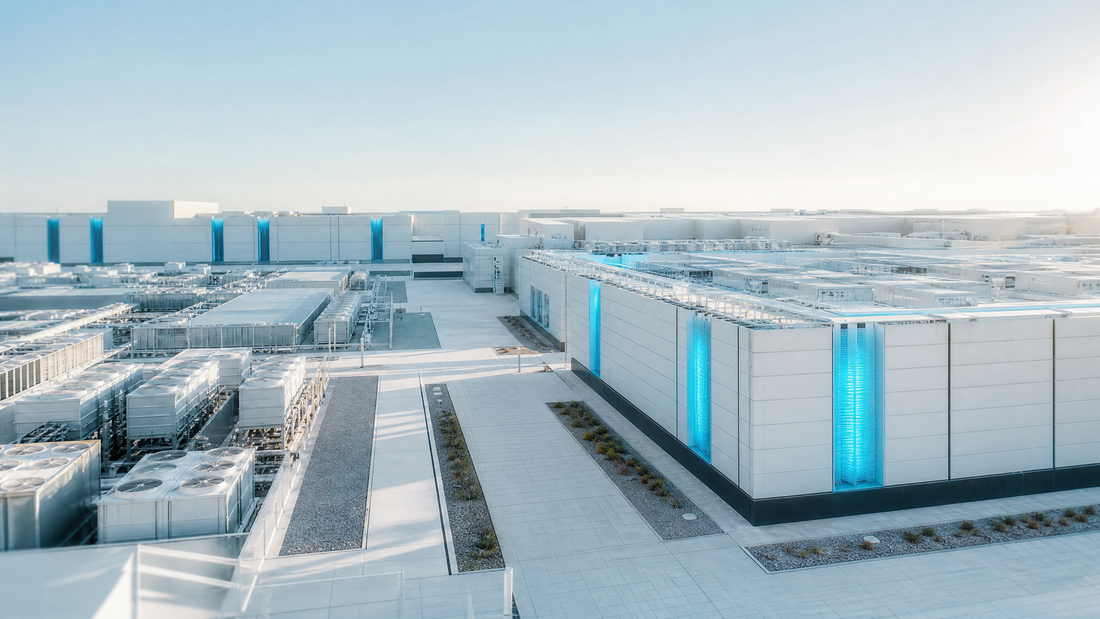
The major cloud and AI companies didn’t choose Texas for its weather or workforce. They came for cheap land, abundant energy, and a regulatory environment that let them build fast. According to MIT Technology Review, Texas’s power grid, despite its challenges, could support the massive electricity needs of AI hardware. Local governments often rolled out tax breaks and fast-track permits to court data center projects.
That approach may now be under review. The new administration could bring policies aimed at curbing energy use, tightening environmental standards, or reducing tax incentives for large tech projects. While the article does not specify which policies are on the table, the context is clear: the business case for building in Texas now faces political risk. For firms with multi-year expansion plans, uncertainty over regulatory change can stall projects or push them to other regions.
What this means if you run a business
For any company relying on AI compute in the cloud, whether you are running models, training agents, or just scaling up your infrastructure, the risk is straightforward. Texas may no longer be a guaranteed low-cost, high-speed option for new capacity. If you have contracts, data residency requirements, or vendor relationships that depend on Texas data centers, it is time to check the fine print and ask your providers about their contingency plans.
Startups and mid-sized firms should expect to see changes in pricing or availability for AI compute if major providers slow or halt expansion in Texas. Larger companies with their own infrastructure footprints may need to consider diversifying locations, or at least tracking the state’s regulatory changes closely. This is part of a wider pattern, as seen in our coverage of communities blocking new data centers in other regions. The era of easy AI scale in Texas may be over, and the scramble for infrastructure is likely to get more competitive elsewhere.
Sources
Keep up
Get the next one before everyone else is talking about it.