OpenAI offers blueprint to keep AI data centers local and accepted
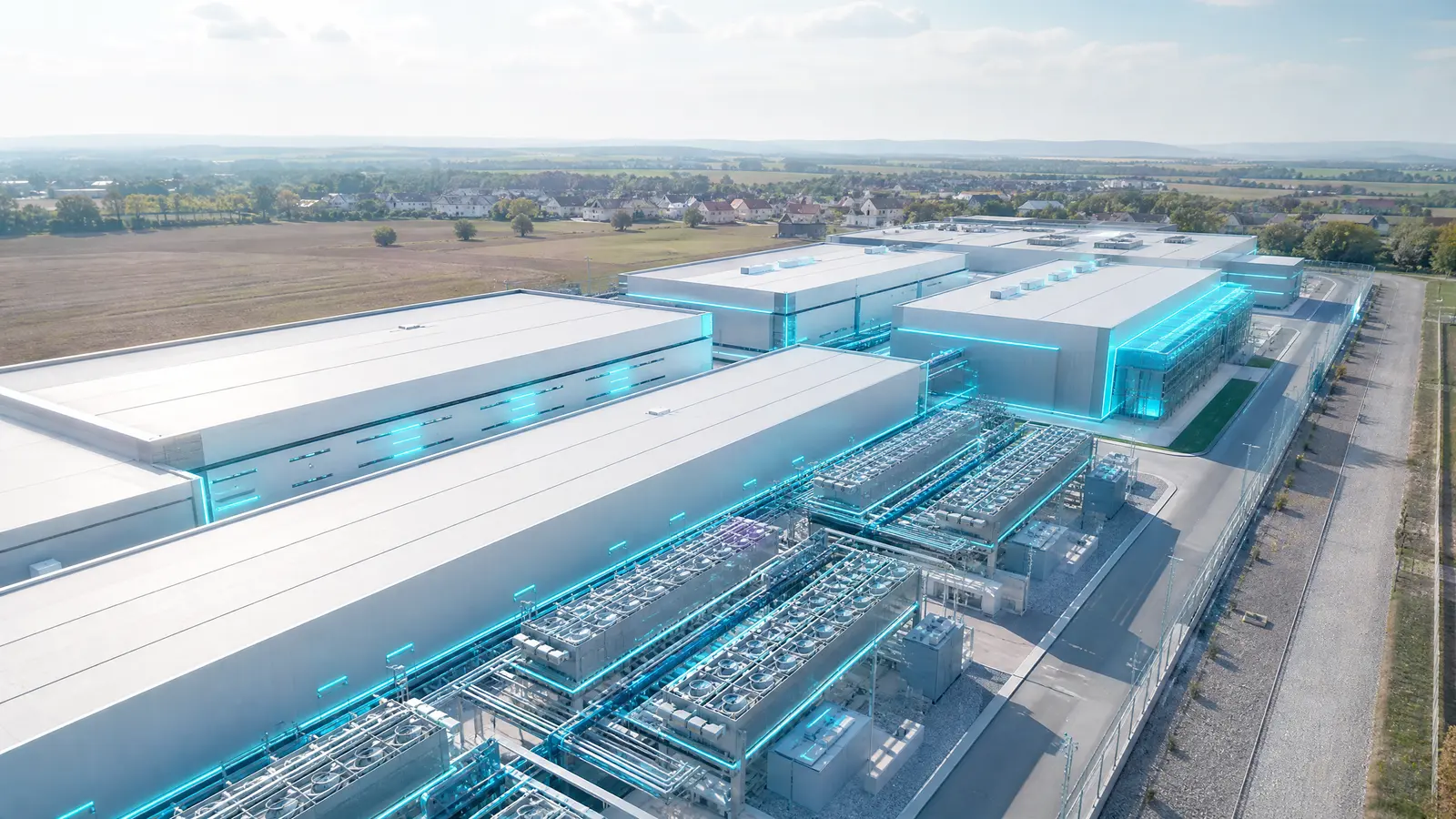
OpenAI has published its National Community Compact and Compute Campus Policy Blueprint, setting out how it wants AI infrastructure to be built and governed. The company says these guidelines are designed to protect local resources, create jobs, and give communities more say in where and how AI data centers are built.
Why it matters
AI data centers have become a flashpoint in the US as companies seek more power and land to train and run large models. Local governments and residents have pushed back, citing water use, energy needs, noise, and limited local benefits. OpenAI’s blueprint is a response to these concerns, aiming to set a process for engaging communities and governments before shovels hit the ground.
According to OpenAI, the blueprint outlines how companies can share benefits with local communities, set hiring targets, and transparently report on resource use. The company positions this as a way to avoid the backlash that has stalled or blocked projects in several regions. For businesses that rely on AI or operate near proposed data centers, this could affect everything from energy pricing to hiring competition.

What’s in OpenAI’s local-first blueprint
The blueprint published by OpenAI calls for a formal compact between AI companies and the communities they want to build in. According to OpenAI, this includes early engagement with local officials, public disclosure of environmental impact, and commitments to local hiring and training. The company says the blueprint is designed to be adopted by other AI developers and infrastructure providers, not just OpenAI itself.
Specific recommendations include setting up community advisory councils, reporting annually on water and energy use, and offering training programs to help locals qualify for jobs created by data centers. OpenAI also proposes that companies agree to pause or adjust expansion plans if local concerns aren’t addressed, though the blueprint does not carry legal force. The company says it wants to set a standard that policymakers and other AI firms can use as a baseline for responsible development.
This move follows a year of public votes and regulatory moves that have made it harder to site new data centers in regions like Texas and the Midwest. For a broader look at how local politics have disrupted tech infrastructure, see our coverage here.

What this means if you run a business
For business owners, OpenAI’s blueprint signals a shift in how AI infrastructure will get built and who gets a voice at the table. If you operate in a region targeted for new data centers, local governments may expect more transparency and concessions from tech companies, job guarantees, water use disclosures, even direct community investments. This may slow down projects but could also mean more local hiring or improved infrastructure if your business is nearby.
If you rely on cloud-based AI services, expect providers to face higher compliance costs and longer lead times for new capacity in some regions. For companies that compete for the same talent as data centers, hiring and retention could get harder as tech firms promise training and higher wages to meet their community commitments.
This blueprint does not have legal weight, but it sets a bar that competitors and regulators are likely to notice. If you’re planning your own expansion or depend on the stability of local infrastructure, track how these agreements unfold in your region. The push for local-first AI infrastructure is now part of the approval process, not just a PR move.
Keep up
Get the next one before everyone else is talking about it.