OpenAI tests AI agents on 100 wet-lab science tasks
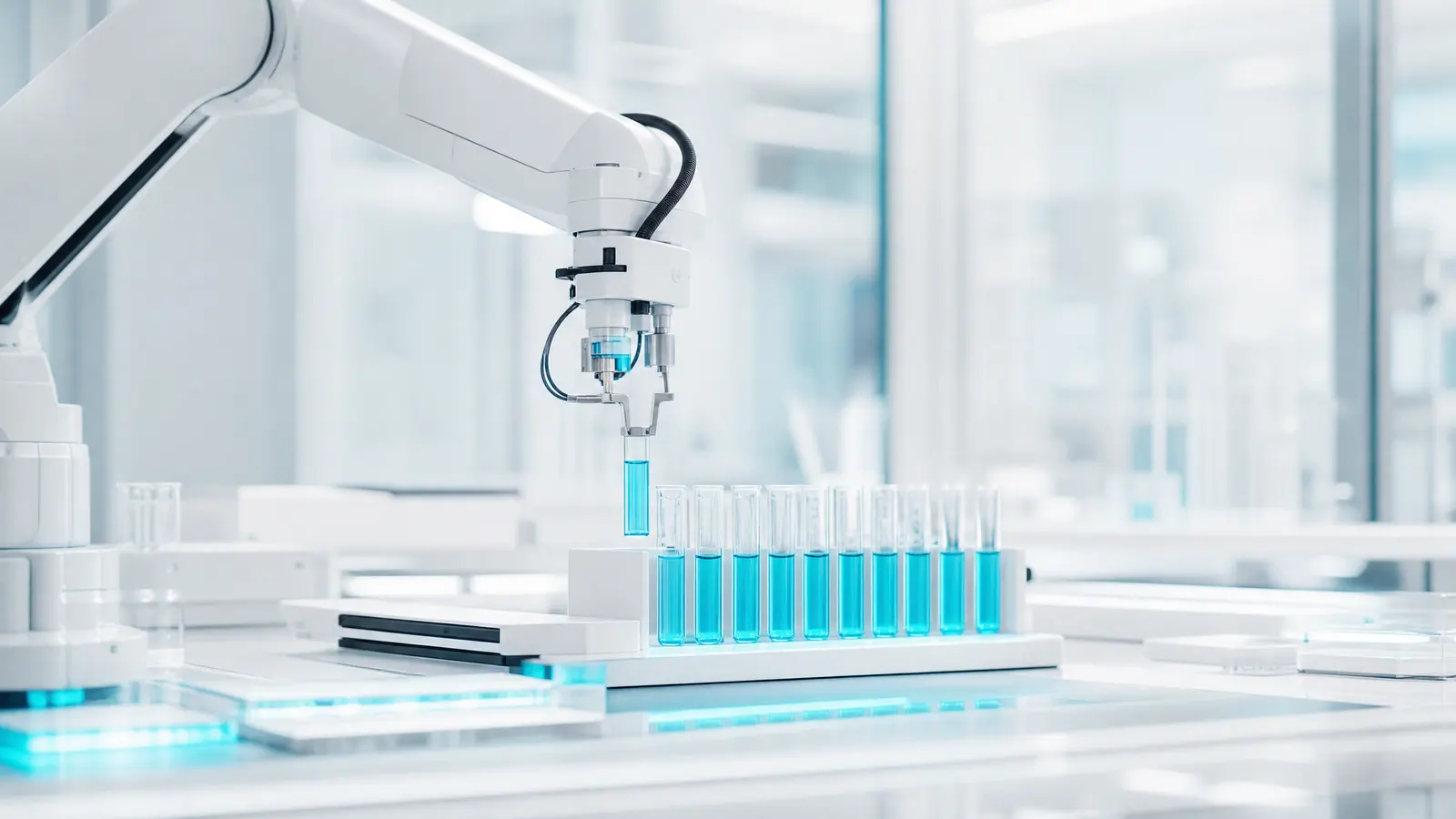
OpenAI has released BioBasicsBench, a benchmark that puts AI agents through 100 everyday wet-lab science tasks. The company says this new test measures how well AI can interpret raw experimental data and handle routine lab work.

Why it matters
Much of science, especially biotechnology and chemistry, relies on painstaking manual experiments. According to OpenAI, most AI benchmarks focus on written knowledge or simulated environments. BioBasicsBench is designed to measure how well AI handles the actual messiness of wet-lab work, interpreting instrument readouts, making decisions with incomplete data, and following real protocols.
This is a notable shift. If AI agents start to demonstrate reliable performance on these 100 tasks, it could change how labs are staffed and how experiments are run. The benchmark is not about robots handling glassware, but about software making sense of raw lab data, which is often the biggest bottleneck. Companies following this space will see whether AI can move from theory to day-to-day lab execution.

How BioBasicsBench works
BioBasicsBench includes 100 example tasks that represent routine experimental procedures. According to OpenAI, these range from analyzing gel images to interpreting chemical titrations. The tasks are designed to mimic the kinds of decisions and data handling that human lab workers perform daily, but rarely appear in standard AI benchmarks.
The test is not tied to a single AI model. OpenAI intends for labs, startups, and AI developers to use BioBasicsBench to compare how different agents handle the same set of raw experimental inputs. The company says its goal is to raise the bar for what it means for an AI to be "lab-ready." They have not published test results for any specific model yet.
This approach is comparable to what Hugging Face did with ToyBlocks, which set a standard for robot learning evaluation. The difference is that BioBasicsBench targets the 'brains', the software agents that analyze and act on lab data, rather than the physical robots.

What this means if you run a business
If you operate in biotech, pharma, or any field with wet-lab work, this benchmark is a signal: AI vendors will soon have to show what their tools can actually do with raw data, not just with polished spreadsheets or simulated tasks. This could help buyers cut through marketing claims and compare products on their ability to handle real lab messiness.
For service labs, contract research organizations, and automation firms, there is a new standard to point to when evaluating software partners. If you are building AI products for science, expect customers to ask how your tool performs on BioBasicsBench's 100 tasks. This could put pressure on vendors to publish results and be more transparent about limitations.
For companies thinking about automating lab analysis, BioBasicsBench offers a way to benchmark internal progress and spot gaps before deploying AI into live workflows. This is especially relevant as more companies, like Anthropic, start using AI to accelerate their own R&D. Even if you are not in science, the pattern is clear: sector-specific, data-heavy AI tests are moving from theory into practice. Expect to see similar benchmarks emerge in other industries soon.
Keep up
Get the next one before everyone else is talking about it.