Canva Craft image model cuts AI art costs for business users
Canva has launched Canva Craft, its first in-house AI image generation model, now available to all users. The company says it offers better image quality, more customization, and lower costs than third-party alternatives.
Why it matters
AI image generation is no longer limited to companies like OpenAI, Microsoft, or Google. Canva is a major design platform used by businesses to create presentations, marketing materials, and social posts. Bringing image generation in-house means Canva controls the technology, pricing, and feature set.
According to TechCrunch, Canva says the new model gives users more precise and consistent images. The Verge reports that Canva Craft uses a two-stage approach: it plans the design first, then generates the image. This architecture is designed to give users greater control over the final result, which could matter for companies that need strict adherence to brand guidelines or visual requirements.
Canva's platform is a staple for marketing and design teams across industries.
How Canva Craft works differently
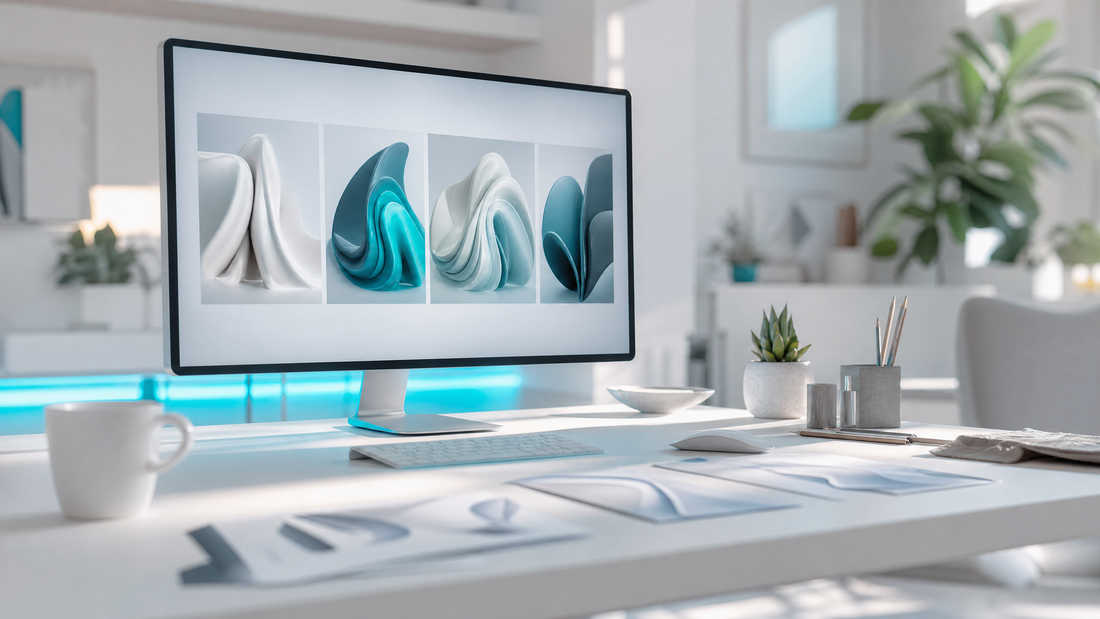
Most text-to-image models generate pictures based on a prompt, but the process can be unpredictable. According to The Verge, Canva Craft introduces a planning stage before image creation. This means the model first lays out a design plan, such as composition, alignment, and structure, before rendering the final image. The aim is to produce images that better match user intent and stay visually consistent.
Canva says this approach gives users more detailed control over elements like style, layout, and content. It also promises cost savings by reducing reliance on outside providers. For business users, this could mean fewer surprises and less need for manual editing after generation, streamlining the design process.
AI-powered design tools increasingly handle both creative and production tasks for teams.

What this means if you run a business
If your company relies on Canva for marketing, sales, or internal communications, this update could have immediate effects. You may be able to reduce design costs, as Canva claims the new model lowers the price of image generation. There's also the potential for more consistent branding, since the two-stage process aims to deliver images that match your exact requirements.
For teams managing large content volumes, better control over image outputs could save time. Less manual editing means faster turnaround for campaigns and presentations. It also reduces the risk of off-brand or low-quality visuals slipping through. If your industry has specific visual standards, the added control may help with compliance.
Canva's move puts more pressure on other design and productivity platforms to develop their own in-house AI tools. As with recent moves by Uber using AI for daily operations or Recursive building its own coding model for laptops, owning the underlying AI lets companies control speed, quality, and costs. For business users, the direction is clear: expect more tools that promise to deliver what you want, when you want it, and for less money.
Sources
Keep up
Get the next one before everyone else is talking about it.