OpenAI courts Samsung and SK to secure future AI chip supply
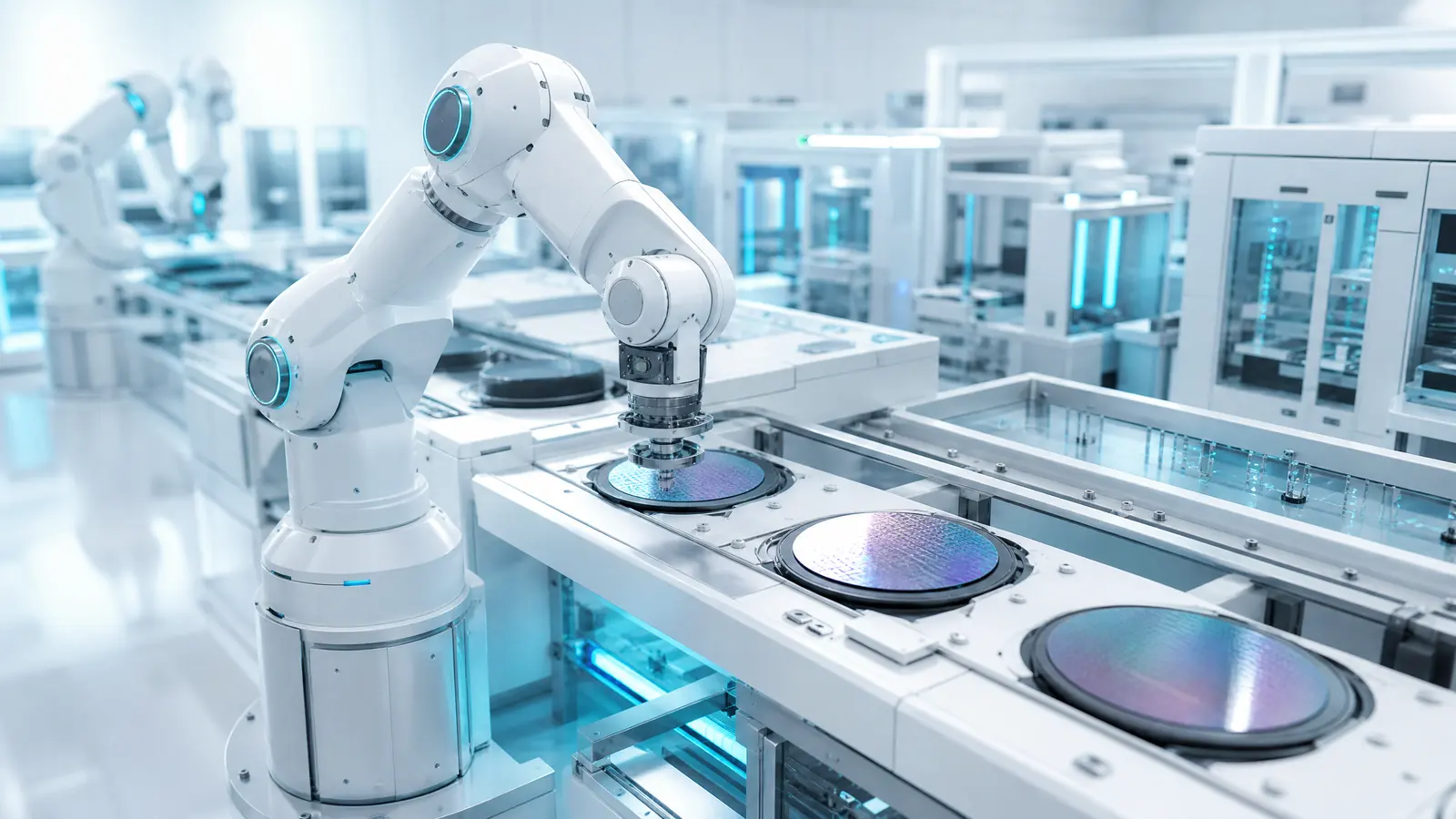
Sam Altman, CEO of OpenAI, made an unannounced trip to South Korea over the weekend. CNBC reports that he met with executives from Samsung and, reportedly, SK Group. The meetings point to OpenAI’s effort to strengthen its ties with major chipmakers in South Korea.
Why it matters
AI models depend on a steady supply of advanced chips. Samsung and SK Group are among the world’s largest chipmakers, and South Korea is a central hub for semiconductor production. OpenAI’s meetings with these companies show it is working to secure the hardware it needs for its products.
Chip shortages and price swings have affected many AI companies. Nvidia’s dominance in AI GPUs has made the industry vulnerable to supply disruptions. OpenAI’s talks with Samsung and SK Group suggest it is looking for alternatives and more stable supply. Other tech firms have made similar moves to avoid relying on a single supplier, as seen in Apple and Meta’s recent AI launches in China.
OpenAI’s chip partnerships and South Korea’s role
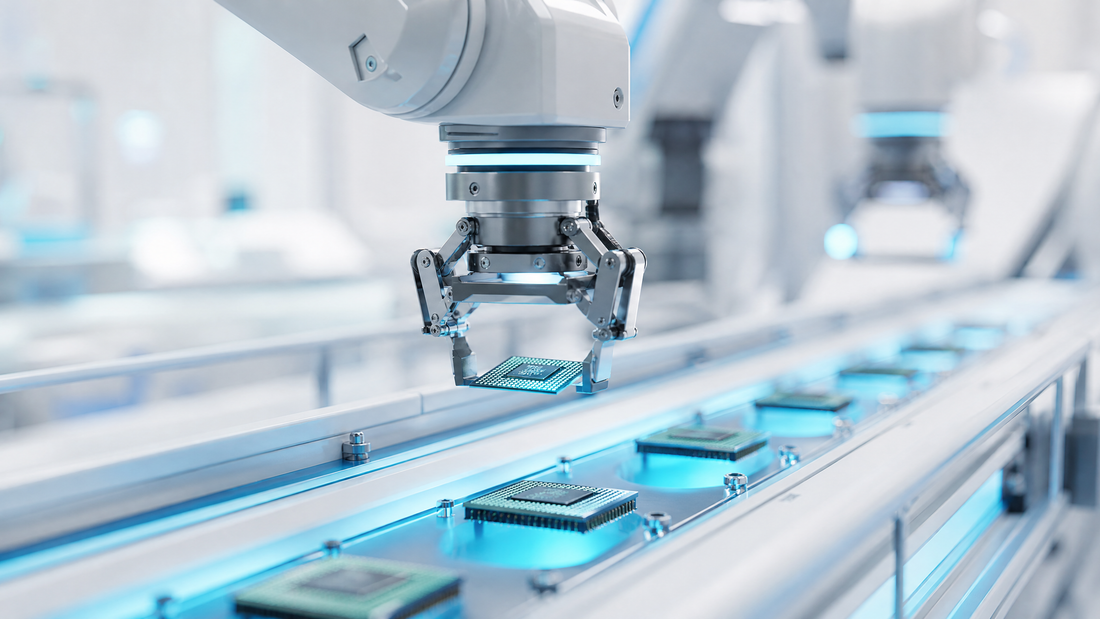
OpenAI has relied on Nvidia hardware to train and run its models. Samsung makes advanced memory and logic chips, while SK Group is known for its memory technology. Both companies are investing in AI-focused semiconductors and have the scale to support large projects. CNBC says Altman’s meetings in South Korea come as OpenAI aims to build on existing partnerships and possibly expand them.
Samsung and SK Group are not only suppliers. Samsung has developed chips designed for machine learning and supplies major tech firms. SK Group is investing in new semiconductor facilities and AI research. These companies are helping to shape chip technology for AI. If OpenAI reaches new agreements or starts joint projects, it could gain faster access to new hardware and reduce its dependence on Nvidia.
There is also a geopolitical factor. The US, China, and South Korea are all competing for leadership in semiconductors and AI. OpenAI’s direct talks with South Korean firms may help it manage export controls and shifting trade rules. No new deals have been announced yet, but the timing of Altman’s visit points to active negotiations.

What this means if you run a business
Businesses that use AI services face the same supply chain risks as the companies building the technology. If chip shortages occur, cloud AI services can become more expensive, slower, or less reliable. OpenAI’s outreach to Samsung and SK Group is a sign that it is trying to manage these risks directly.
For companies that buy AI services, this could mean a steadier supply of computing power from OpenAI, or at least some protection against sudden disruptions. It also shows that major AI providers are working to secure their own supply chains. If your business relies on a specific AI vendor, pay attention to their hardware strategy. Moves like this can affect service reliability and pricing.
For those investing in AI infrastructure or partnerships, OpenAI’s actions show that chip access is now a board-level issue. Having backup plans or alternative providers is becoming standard. For more on how other companies are handling AI supply chain risks, see our article on Amazon and JPMorgan’s approach to AI agent deployment.
Sources
Keep up
Get the next one before everyone else is talking about it.