North Korea claims AI-guided torpedo, raising military tech risks
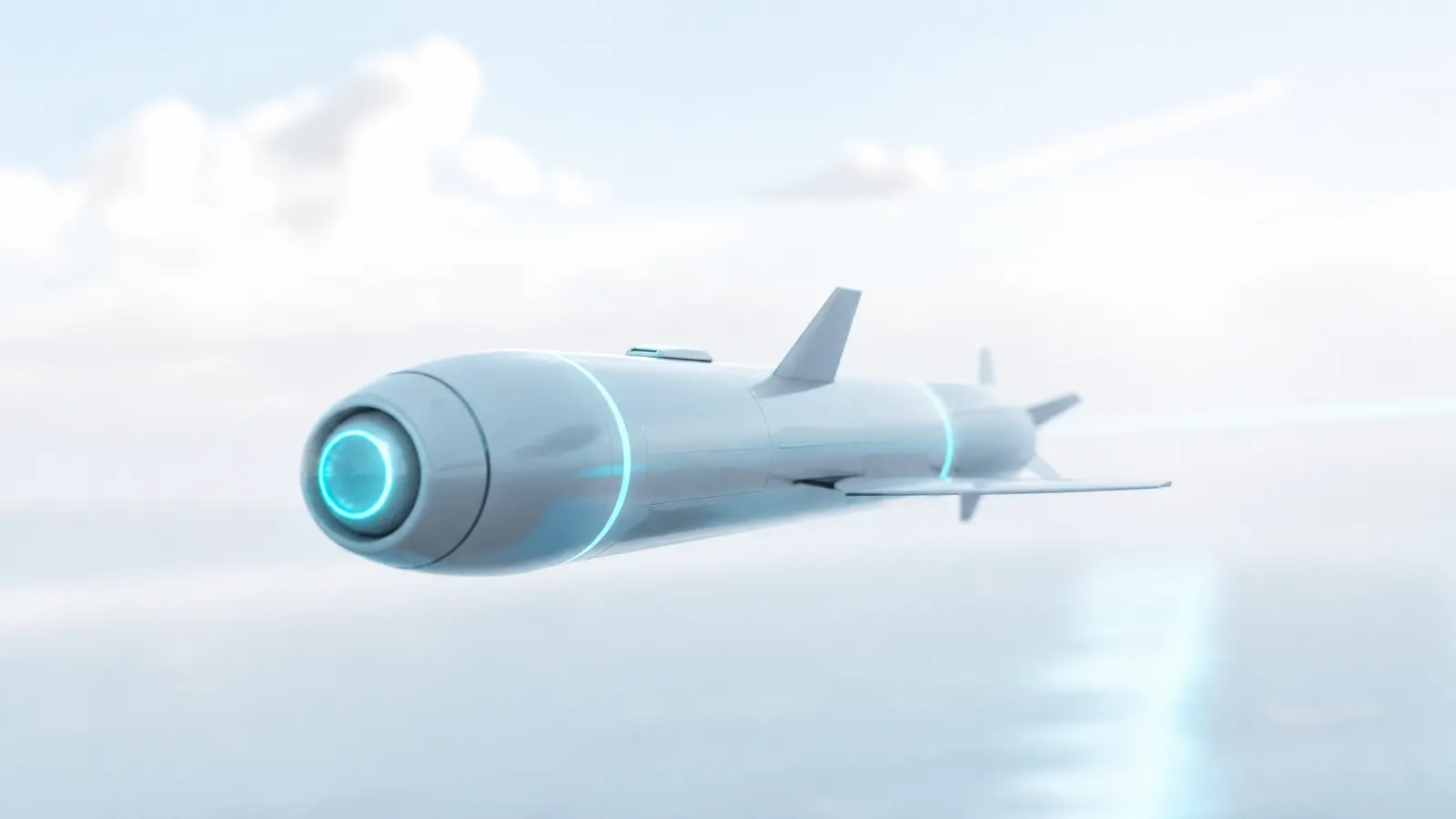
North Korea has announced that it is using artificial intelligence in a "new type" of precision-guided torpedo for target detection and guidance. According to ANC 24/7 and ABC News, the country claims to have tested this AI-enabled torpedo system.
Why it matters
This is one of the first public claims by North Korea about using AI for advanced military hardware. While the United States, China, and Russia have all discussed or demonstrated AI in weapons systems, North Korea's move signals that even countries with limited access to Western technology are now claiming AI-driven military capabilities. This raises concerns about the spread of AI-enabled weapons beyond traditional military powers.
For businesses operating in regions affected by sanctions, international shipping, or defense supply chains, the adoption of AI in North Korean weapons introduces new unpredictability. It also puts pressure on governments to consider how they regulate the export and tracking of AI components and software. The military use of AI is a different category of risk than consumer or enterprise AI, and the rules are still being written.
Details on the AI torpedo claim
North Korea's announcement was reported by ANC 24/7 and ABC News, both citing official state media statements. The sources say the torpedo system uses artificial intelligence for both finding and tracking targets, as well as for guidance once launched. No technical details, such as the AI model, hardware, or how the system was trained, have been released. The claim is that AI enables the torpedo to improve its accuracy and effectiveness against moving or evasive targets.
Neither source provided video, independent verification, or third-party analysis of the system's performance. The announcement follows a pattern of North Korean state media making claims about new military technology, often without external confirmation. However, the explicit mention of artificial intelligence is new. That detail matters because AI in weapons can mean anything from basic automation to advanced machine learning, and without specifics it is impossible to assess the real capabilities or risks.
The announcement comes at a time when questions about the control and reliability of AI-based weapons are being raised in international forums. Previous AI deployments in military settings have been limited to surveillance, decision support, or defensive countermeasures. The North Korean claim focuses on autonomous guidance, a more controversial and less regulated area.
What this means if you run a business
If your company depends on stable shipping lanes in East Asia, or you are exposed to supply chain disruptions from new sanctions or military incidents, the adoption of AI-enabled weapons by North Korea is a material risk. It adds another layer of complexity to already volatile regional security. Insurance, risk assessment, and compliance teams will need to monitor not just traditional military escalations but claims of AI-driven capabilities, which can affect investor sentiment and regulatory response even before they are independently verified.
For companies building or selling AI software and hardware, North Korea's announcement will likely be cited in future policy debates about export controls and tracking of AI technology. This could lead to tighter regulations or reporting requirements, especially for components that could be repurposed for military use. Businesses that have followed earlier stories about AI in defense, such as the SpaceX Grok AI image safety hearings, will recognize that the public sector is moving from discussion to action on these risks.
The bottom line for operators is that claims about military AI, even when unverified, can affect markets, policy, and risk calculations overnight. It is no longer just a concern for defense contractors; AI in weapons is now a geopolitical and economic factor for a much wider range of businesses.
Sources
- Google News AI: North Korea has announced their use of artificial intelligence for a "new type" precision-guide torpedo system for target detection and guidance. | via ANC 24/7 Full story link in the comments section. - Facebook
- Google News AI: North Korea says it tested new torpedo system with AI capabilities - ABC News - Breaking News, Latest News and Videos
Keep up
Get the next one before everyone else is talking about it.