Meta’s AI pet app turns daily chats into a 16-bit journal

Meta has launched a new app called Waddle World, which combines a virtual pet with a daily voice journal. According to The Verge, the app uses an AI-powered creature that talks with users and generates 16-bit style doodles based on those conversations.
Why it matters
Meta is not pitching Waddle World as a traditional game. Its listings on Apple and Play Store describe it as "a daily journal disguised as a pet." The app encourages users to speak aloud rather than type, aiming to make daily reflection feel less like a chore and more like a playful interaction.
For Meta, this is another experiment in using AI to drive engagement outside of its core social platforms. Instead of competing directly with chatbots or productivity tools, Meta is trying to create new daily habits around its technology. This approach could help it collect different types of user data and test new forms of engagement, as it has done with other AI-driven products.
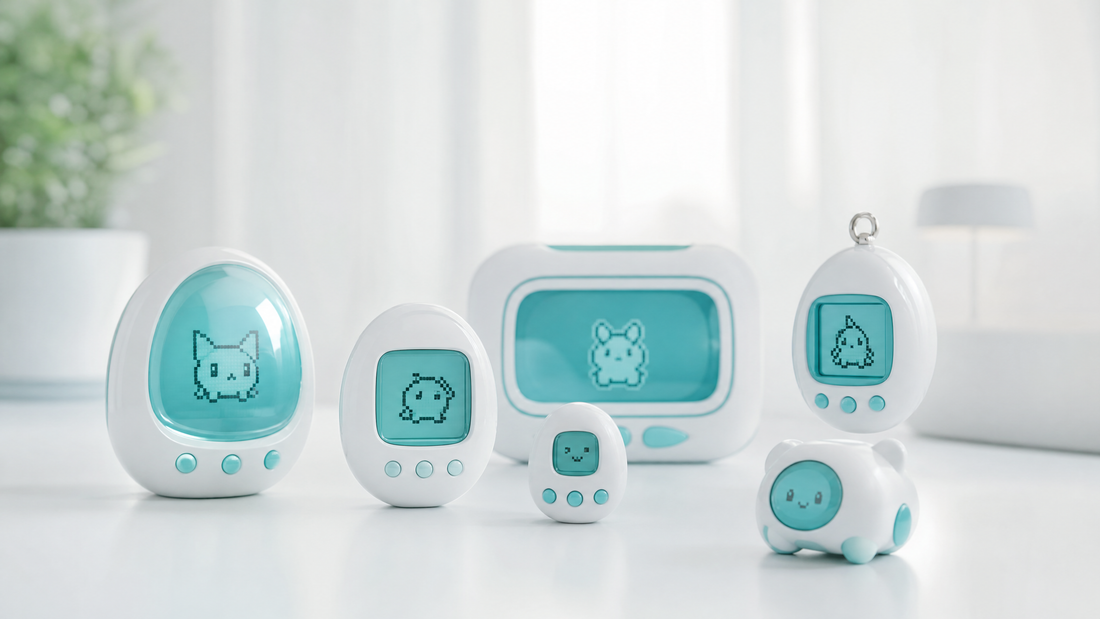
Waddle World’s interface borrows from classic 16-bit pet games to create a familiar but AI-driven experience.
How the AI pet works
The main feature of Waddle World is its AI pet, which users interact with by talking rather than typing. The pet responds in a conversational way and creates doodles to illustrate the day's discussion. According to the app listing, these doodles are designed in a "16-bit" style, calling back to older digital pet games but with an AI twist: the images and conversations change based on what the user says.
This is not Meta’s first foray into AI-powered companions, but the format is different. Instead of text-based chatbots or avatars, Waddle World presents a more playful and less productivity-focused use case. The emphasis is on daily routine, voice interaction, and visual feedback. There is no mention of in-app purchases or monetization in the listing, suggesting Meta is focused on testing engagement and data collection at this stage.
Other tech companies are exploring related ideas. For example, Google’s Genie 4 allows companies to build AI-generated worlds, though with a focus on simulation rather than daily journaling. Meta’s approach is simpler and more personal, targeting casual users rather than enterprise clients.
The app invites users to speak with their pet, which then generates visual summaries of their day.

What this means if you run a business
Meta’s Waddle World signals a push to normalize AI companions in everyday routines, not just for productivity or entertainment but as a tool for engagement. For businesses, this shows Meta is experimenting with more intimate, habit-forming experiences that collect new types of behavioral data. If you’re in digital products, it’s a reminder that AI can be embedded in casual, low-stakes contexts, not just in enterprise tools or customer service bots.
This also suggests a shift in how tech giants may try to build loyalty and gather insights. By making AI part of a user’s daily reflection or wellness routine, Meta could eventually feed that data into broader personalization strategies. For companies with customer-facing apps, the lesson is that frictionless, voice-based interfaces and playful design can drive repeat engagement, even outside traditional social media or gaming.
Meta’s move may not directly compete with business apps today, but it sets a precedent for integrating AI in ways that feel personal and habitual. It’s worth watching how users respond, and whether similar features start appearing in other consumer or business tools.
Keep up
Get the next one before everyone else is talking about it.