Fanatics uses OpenAI to boost shopping engagement by 10%

Fanatics has introduced an AI-powered shopping feature called Shop the Look, built with OpenAI Codex. According to OpenAI, testing the tool across 30,000 Major League Baseball products led to 10% higher engagement.
Shop the Look uses AI to help fans quickly assemble coordinated game-day outfits.
Why it matters
Fanatics manages a catalog of more than 1.5 million sports merchandise items, according to CNBC. For shoppers, sorting through that volume is a challenge, especially when looking to complete a themed look for a specific team or event. The Shop the Look feature aims to simplify this by using OpenAI Codex to recommend matching items based on what a customer is already viewing.
The 10% increase in engagement reported by OpenAI is a measurable result for Fanatics. Higher engagement can translate to more sales and repeat visits, which are important in a market crowded with league stores, big-box retailers, and online startups. The test covered 30,000 MLB products, giving the results weight beyond a small pilot.
The AI tool sorts 1.5 million products to suggest coordinated fan gear in real time.
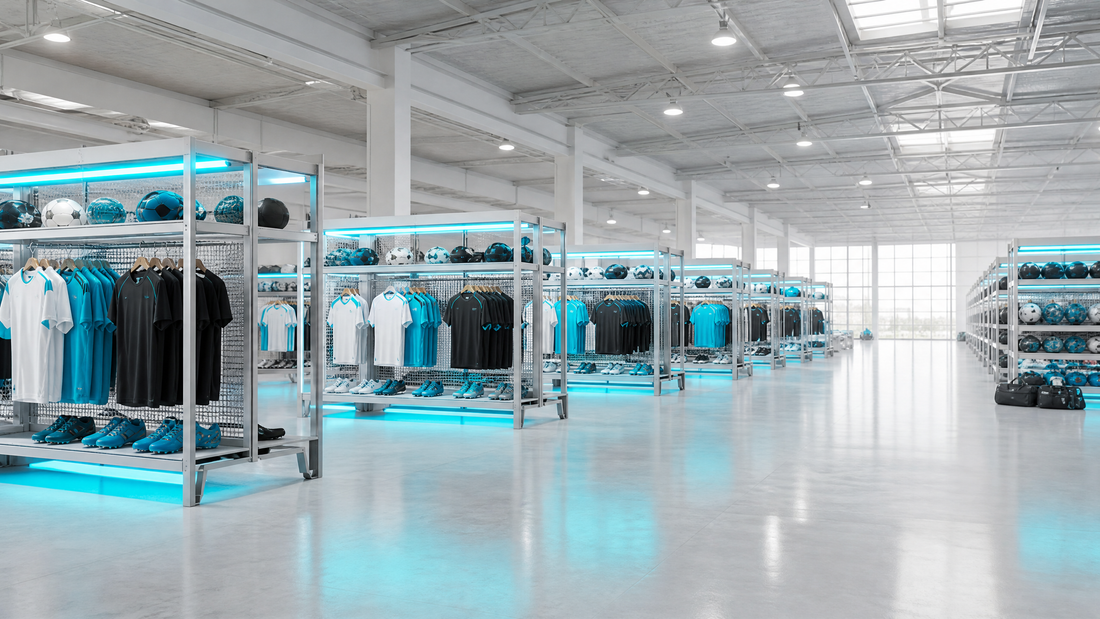
How Shop the Look works with OpenAI Codex
Shop the Look relies on OpenAI Codex to analyze what a shopper is browsing and suggest complementary items, such as hats, jackets, or socks, to complete an outfit. OpenAI says the system was tested on 30,000 MLB products, but Fanatics’ full inventory is much larger at 1.5 million items, according to CNBC.
Sports merchandise changes quickly, with new products for playoffs, player trades, and special events. Codex processes both structured product data and unstructured information like customer reviews or trending items. The goal is to suggest combinations that make sense for fans, not just random pairings, and to do it quickly enough to keep shoppers engaged.
Fanatics is applying AI recommendation technology at a scale that goes beyond what many retailers attempt. The need to match for style, team, and event, across a large and shifting inventory, means the company is using language models to solve a practical filtering problem for both staff and customers.
What this means if you run a business
Companies with large product catalogs can use AI to improve the customer experience by making it easier to find and combine items. Fanatics is addressing the challenge of helping buyers navigate a huge selection without overwhelming them. The focus is on reducing friction in the shopping process, which can lower drop-off rates and increase average order size.
For businesses managing thousands of SKUs, the Fanatics example shows that targeted AI features can produce measurable results. OpenAI reports a 10% jump in engagement from this tool. This kind of outcome matters in retail, where small improvements can have a direct impact on revenue. Fanatics is also using a third-party AI tool, OpenAI Codex, instead of building a system from scratch, which lowers the barrier for other companies to try similar projects.
The move highlights how AI can deliver operational improvements without a full overhaul of existing systems. For more on how AI is changing business operations, see our coverage of NetSuite’s SuiteExpress rollout and Apollo’s view on AI financial returns.
Sources
Keep up
Get the next one before everyone else is talking about it.